How to Use Compact Tractors for Property Maintenance?

Hey there, fellow property owner! Have you ever stared at your sprawling lawn or bumpy driveway after a big storm and wondered how you’ll ever get it all under control without wasting an entire weekend? I sure have.
A few years back, when I bought my first five-acre plot outside a small Midwest town, I quickly learned that compact tractors for property maintenance are absolute game-changers. They turn tough chores into manageable tasks, saving you time, money, and a sore back.
We’ll cover everything from picking the right model to tackling real-world jobs like mowing, grading, and snow removal. Whether you’re a beginner or looking to level up your skills, you’ll walk away with practical tips that actually work.
Let’s make your property shine without the hassle.
Mastering Compact Tractors for Effortless Property Maintenance
Compact tractors shine because they’re powerful enough for real work yet small enough to maneuver around trees, fences, and tight spots on your land.
Unlike big farm rigs, these machines won’t compact your soil or chew up grass. They handle everything from light hauling to heavy landscaping, and with the right setup, one tractor replaces a garage full of tools.
You’ll feel the difference right away. Suddenly, spreading mulch or clearing brush doesn’t feel like a full-day battle. Now, let’s dive into the steps that turn your compact tractor into your most reliable helper.
Choosing the Right Compact Tractor Size and Features
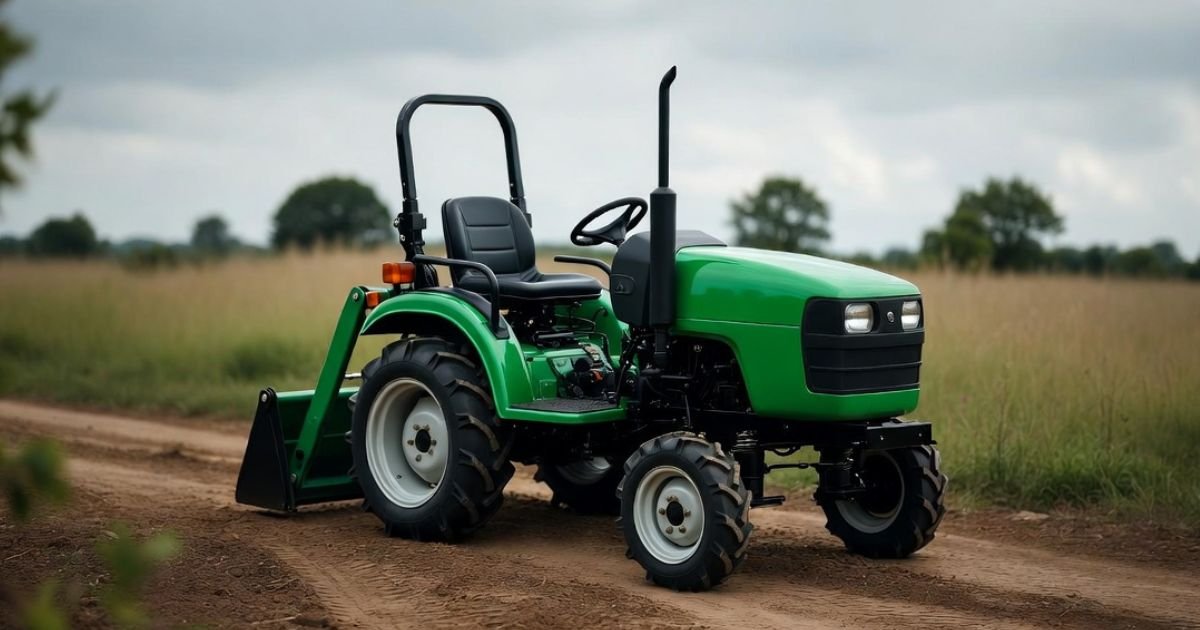
Start by matching the tractor to your property size. Sub-compact models with 15 to 25 horsepower suit 1 to 5 acres perfectly. They’re lightweight, easy to store in a shed, and gentle on lawns.
For 5 to 10 acres or more demanding jobs like grading driveways, step up to compact tractors in the 25 to 50 horsepower range.
Look for four-wheel drive, strong hydraulics, and a comfortable seat. Test drive a few options from trusted brands to feel the controls yourself.
Remember, it’s not just about horsepower. Think about your main tasks. If hauling materials tops your list, prioritize a sturdy loader arm.
Essential Compact Tractor Attachments for Property Upkeep
Attachments make your tractor incredibly versatile. Without them, you’re only using half its power. Here are the must-haves every homeowner should consider for compact tractor attachments.
- Front-End Loader: Lifts and moves dirt, gravel, or logs with ease. Add a grapple or pallet forks for even more options.
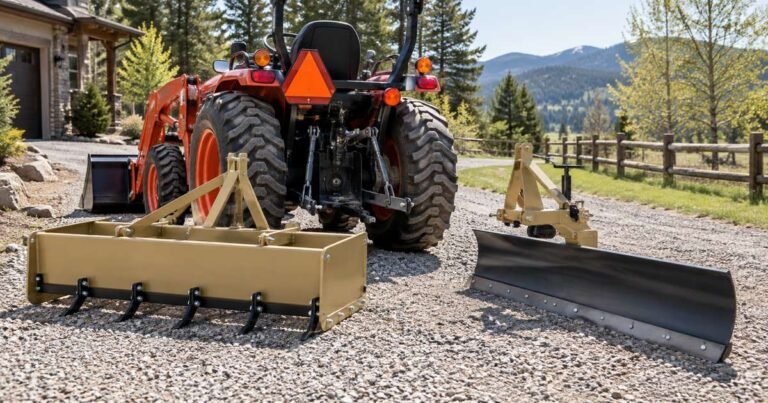
- Box Blade: Levels soil, fills potholes, and spreads gravel on driveways.
- Rotary Cutter or Finish Mower: Tackles tall grass, weeds, or light brush in big areas.
- Tiller: Breaks up soil for new gardens or flower beds.
- Snow Blade: Pushes snow off driveways and paths during winter.
These tools expand what you can do without hiring help. For a quick comparison, check this simple table:
| Attachment | Best For | Key Benefit |
|---|---|---|
| Front Loader | Hauling and lifting | Handles heavy loads fast |
| Box Blade | Driveway maintenance | Creates smooth, even surfaces |
| Rotary Cutter | Clearing brush and mowing | Cuts through tough growth quickly |
| Snow Blade | Winter cleanup | Clears paths in minutes |
Start with a loader and box blade if you’re new. You’ll use them weekly.
Tractor Safety Tips You Can’t Ignore
Safety always comes first with any heavy machine. One wrong move can lead to serious trouble, so treat your tractor with respect.
Wear close-fitting clothes and sturdy boots. Never let loose fabric or long hair near moving parts. Always buckle your seatbelt and keep the roll-over protective structure (ROPS) in place.
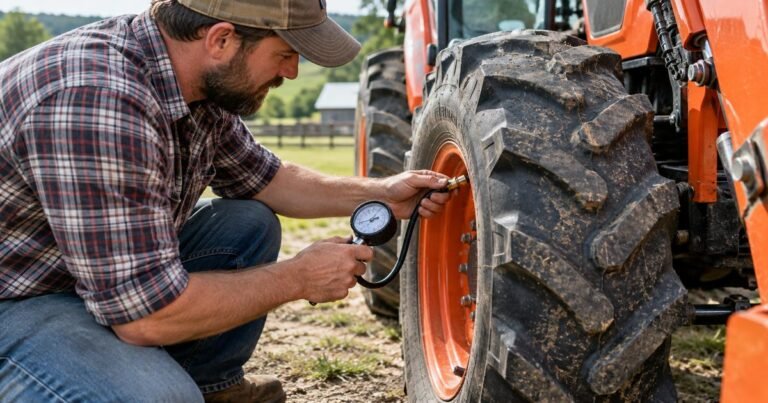
Before every use, do a quick walk-around. Check fluids, tires, and attachments. Read your owner’s manual cover to cover.
For more detailed tractor safety tips, check out this helpful guide from Ohio State University Extension: https://ohioline.osu.edu/factsheet/aex-79032.
Avoid steep slopes and ditches. Never carry passengers or ride on attachments. Shut off the engine, set the brake, and remove the key before stepping away.
These habits keep you safe and your tractor running strong.
Step-by-Step: How to Start, Operate, and Stop Your Tractor
Getting comfortable behind the wheel takes a little practice, but it’s straightforward.
First, sit down and buckle up. Make sure the transmission is in neutral and the PTO is off. Press the clutch, turn the key, and let the engine warm up for a minute.
Drive slowly at first, especially on turns or uneven ground. Use low gears for heavy loads and keep your speed steady. To stop safely, ease off the throttle, press the clutch, shift to neutral, and set the parking brake.
Always lower attachments to the ground before leaving the seat. Practice in an open area until it feels natural. You’ll be surprised how quickly it becomes second nature.
Tackling Common Property Maintenance Tasks
Now comes the fun part. Let’s look at real jobs you can handle with your compact tractor.
Mowing and Brush Clearing
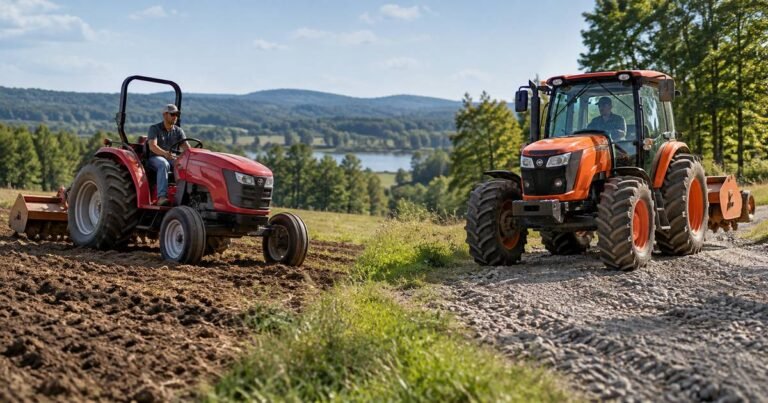
Attach your finish mower for neat lawns or a rotary cutter for overgrown spots. Start in a straight line and overlap each pass slightly. Go slow over bumps to avoid scalping the grass. On my own property, this cut my mowing time in half compared to a riding mower.
Driveway and Land Grading
Use the box blade to fix ruts and potholes. Lower the scarifiers to loosen hard spots, then drag material back and forth. Angle the top link for better control. Finish with the blade floating to create a smooth surface. It’s perfect for spring driveway maintenance after winter damage.
Snow Removal
Mount a snow blade and push piles to the side. Work in layers on deep snow to avoid straining the engine. Clear paths wide enough for vehicles. You’ll clear your driveway faster than any snow blower ever could.
Hauling and Moving Materials
Load up the front bucket with mulch, rocks, or branches. Use the grapple for messy loads. Dump exactly where you need it. One afternoon of hauling saved me hundreds on delivery fees last fall.
These tasks show why compact tractors for property maintenance are so popular. Pick one job at a time and build your confidence.
Routine Maintenance to Extend Your Tractor’s Life
A little care goes a long way. Check oil, coolant, and hydraulic fluid before every use. Clean off dirt and grass buildup after each job to prevent rust.
Grease fittings weekly and change filters on schedule. Store your tractor in a dry spot with the tank full to avoid condensation. Follow the manual for seasonal tune-ups.
These simple steps keep repairs low and performance high. Your tractor will thank you with years of reliable service.
FAQs About How to Use Compact Tractors for Property Maintenance
What size compact tractor do I need for a 5-acre property?
For most 5-acre properties, a 25 to 40 horsepower compact tractor works best. It has enough power for attachments like loaders and mowers without being too big for tight spaces. Measure your main tasks first to confirm the right fit.
How do I use a compact tractor for driveway maintenance?
Attach a box blade and start by loosening ruts with the scarifiers. Drag material evenly across the surface, then finish with the blade floating for a smooth grade. Work in dry conditions for the best results and repeat every spring.
Is a compact tractor good for snow removal on residential land?
Absolutely. Pair it with a front snow blade or blower attachment, and you’ll clear driveways and paths quickly. It handles deeper snow better than most homeowner tools. Just take it slow and clear in layers to protect the machine.
Compact tractors for property maintenance truly change the game for homeowners who want to stay on top of their land. From quick mows to major grading projects, these machines deliver results with less effort.
Start small, practice safely, and watch how much easier your weekends become.
Remember, the key is patience and proper care. Your property will look better than ever, and you’ll actually enjoy the work.
Disclaimer: The information provided in this article is for educational purposes only and is not a substitute for professional advice. Always consult your tractor’s operator manual and a qualified technician for specific guidance. Safety is paramount when operating heavy machinery.