What Is a Straight Truck? Types, Sizes & Uses

Have you ever seen a delivery truck zip into a narrow alley or back right up to a loading dock without a hitch? Chances are, you were looking at a straight truck in action.
If you’ve been researching commercial vehicles for your business or side hustle, understanding what a straight truck is can save you time, money, and headaches down the road.
These reliable machines power countless local deliveries every day. We’ll break down everything you need to know about straight trucks, from their simple design to how they stack up against bigger rigs.
Understanding Straight Trucks: The Basics of This Versatile Vehicle
Straight trucks stand out because they’re built for real-world work without the complexity of bigger setups. Let’s dive right in and see why so many people rely on them.
The Single Frame Design That Sets Straight Trucks Apart
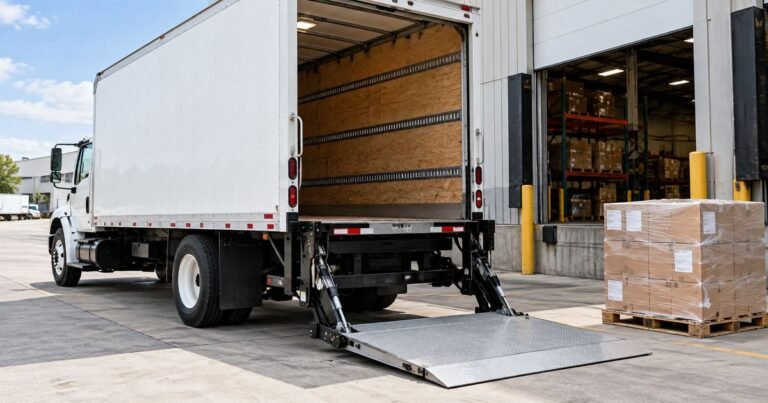
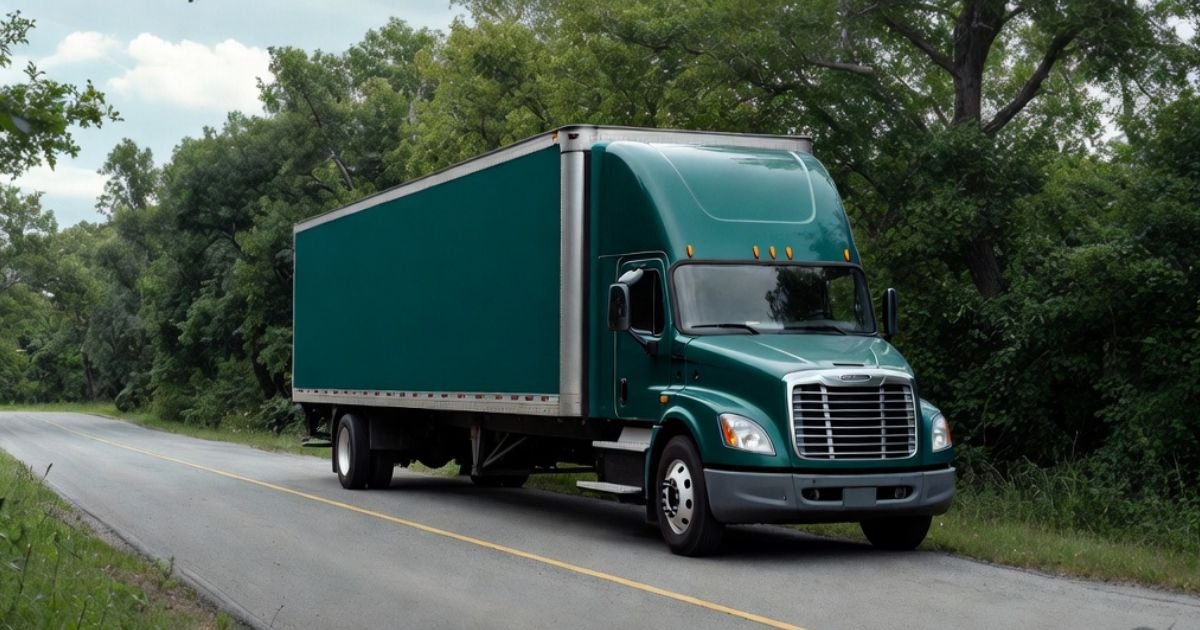
A straight truck features a cab and cargo area permanently attached to one solid chassis. Unlike other trucks, everything rides on a single rigid frame.
No detachable parts here. This design makes the whole vehicle one connected unit, often called a box truck or cube truck.
You get easy access through a roll-up rear door or side doors, and the box stays fixed in place. Most models run on diesel, though electric versions are growing in popularity for city routes.
Think of it as your all-in-one hauling solution. One afternoon, my neighbor used one to move his entire garage workshop across town. He loaded tools, benches, and boxes in a single go without worrying about hooking up trailers.
Straight Truck vs Semi Truck: Which One Wins for Your Needs?
People often mix up straight trucks and semi-trucks, but the differences matter a lot for everyday use. A semi-truck, or tractor-trailer, has a separate cab that hooks to a detachable trailer. Straight trucks keep everything together on one frame.
Here’s a quick comparison to make it crystal clear:
| Feature | Straight Truck | Semi Truck |
|---|---|---|
| Design | Cab and box on single rigid frame | Separate tractor + detachable trailer |
| Maneuverability | Excellent in tight spaces and cities | Better for long highways |
| Typical Capacity | Up to 15,000 lbs payload | 40,000+ lbs payload |
| Operating Costs | Lower fuel, maintenance, and insurance | Higher due to size and complexity |
| Common Uses | Local deliveries, moving, retail | Long-haul freight |
Straight trucks win for short trips and urban jobs. They turn sharper, park easier, and cost less to run. Semis shine when you need massive loads over hundreds of miles.
Straight Truck Sizes and Capacities: Finding the Right Fit
Straight trucks come in handy sizes that fit most needs. Smaller models stretch 12 to 16 feet in the cargo box with a gross vehicle weight rating (GVWR) around 14,000 to 19,500 pounds. These work great for light deliveries and fit in standard parking spots.
Medium versions hit 16 to 20 feet and handle up to 26,000 pounds. Many small businesses love these for furniture moves or appliance runs.
Larger straight trucks reach 22 to 26 feet long with GVWRs up to 33,000 pounds. They haul serious loads yet still feel nimble compared to semis.
Check out popular models from brands like Ford, Freightliner, and Isuzu. Payload capacity usually lands between 3,000 and 15,000 pounds, depending on the build.
Always match the size to your typical loads. Too small, and you’ll make extra trips. Too big, and you’ll waste fuel in traffic.
Real-World Uses That Make Straight Trucks So Valuable
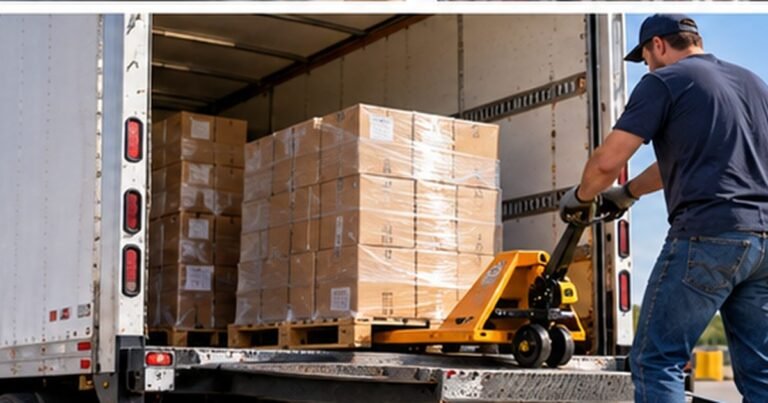
Straight trucks shine in local and regional work. Moving companies load them with furniture and household goods for quick city-to-suburb runs. Delivery services use them for packages, groceries, and retail stock without the hassle of big rigs.
Construction crews haul tools, lumber, and materials right to job sites. Food distributors keep refrigerated straight trucks rolling with fresh produce and frozen goods. Even landscapers and property owners rely on them for mulch, gravel, and equipment transport during big yard projects.
Major Benefits and Some Drawbacks
The biggest perks include better fuel efficiency, easier driving, and lower overall costs. You don’t need a full Class A CDL for many models, which opens doors for more drivers. Loading and unloading happens fast with those wide doors, and parking in tight lots feels simple.
On the flip side, straight trucks carry less than semis, so they’re not ideal for cross-country hauls. Fuel mileage drops with heavy loads, and you can’t swap trailers for different jobs. Still, for most local operations, the pros far outweigh the cons.
CDL Requirements and Licensing for Straight Trucks
Licensing depends on weight. Trucks under 26,001 pounds GVWR often need only a standard driver’s license in many states.
Anything heavier usually calls for a Class B CDL. Always check your state’s rules because endorsements for air brakes or passenger transport might apply.
For official details on commercial driver’s licenses, head over to the Federal Motor Carrier Safety Administration (FMCSA) site: https://www.fmcsa.dot.gov/cdl.
Getting the right license keeps you legal and safe on the road.
Smart Tips for Buying, Driving, and Maintaining One
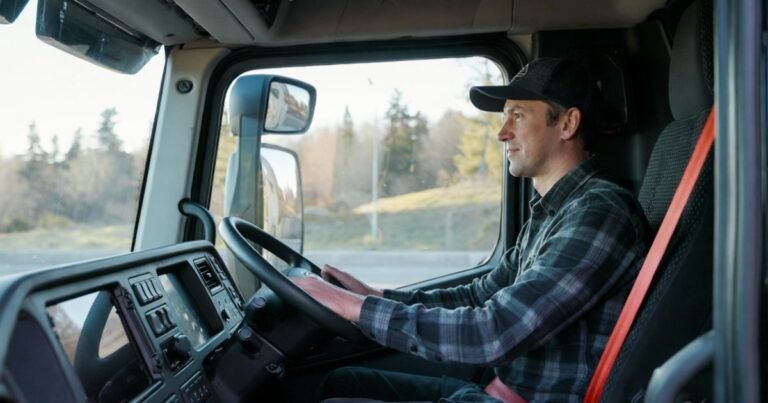
When shopping, test drive a few sizes and focus on payload needs first. Look for good visibility, reliable brakes, and a comfortable cab. New or used both work, but inspect the frame and hydraulics carefully.
Driving tips include using low gears on hills, watching your turning radius, and backing slowly with mirrors. For maintenance, check fluids weekly, rotate tires every 5,000 miles, and keep the box clean to avoid rust. A quick grease job on fittings extends life dramatically.
These habits keep your straight truck reliable for years. Many owners report 200,000 miles or more with basic care.
FAQs About What Is a Straight Truck
What is the difference between a straight truck and a semi truck?
A straight truck has the cab and cargo box built on one fixed frame, while a semi truck uses a detachable trailer pulled by a separate tractor. This makes straight trucks easier to maneuver and cheaper to run for local jobs, but semis handle bigger, longer-distance loads.
Do you need a CDL license to operate a straight truck?
It depends on the weight. Models under 26,001 pounds GVWR usually require only a regular driver’s license. Heavier ones need a Class B CDL, sometimes with air brake endorsements. Always verify with your state DMV for exact rules.
What is the typical payload capacity of a straight truck?
Most straight trucks carry 3,000 to 15,000 pounds of payload, depending on size and GVWR. Smaller 12-foot models handle lighter loads, while 26-foot versions manage heavier cargo like furniture or construction materials without trouble.
Straight trucks deliver real value for anyone who needs reliable, easy-to-use hauling power. From quick deliveries to big moving days, they make tough jobs feel simple and keep costs down. Take time to match the right model to your needs, and you’ll wonder how you ever got by without one.
Disclaimer: The information provided in this article is for educational purposes only and is not a substitute for professional advice. Always consult your local DMV, a qualified mechanic, or a licensed expert for specific guidance on licensing, purchasing, or operating vehicles. Safety is paramount when driving commercial trucks.