What Is a Box Truck? Sizes, Uses & Buying Basics

Have you ever wondered how farmers move big loads of fresh produce, feed, or equipment from the field to market without leaving anything exposed to the elements? That’s where a box truck comes in handy.
If you’re a farmer, small landowner, or running an agribusiness, understanding what a box truck is can make your daily operations smoother and more efficient.
At Tractors Planet, we love digging into all kinds of agricultural machinery that helps folks like you get the job done right.
A box truck isn’t a tractor, but it pairs perfectly with your compact tractor maintenance routines and tractor attachments for hauling. Think of it as the reliable workhorse for those longer hauls on the road.
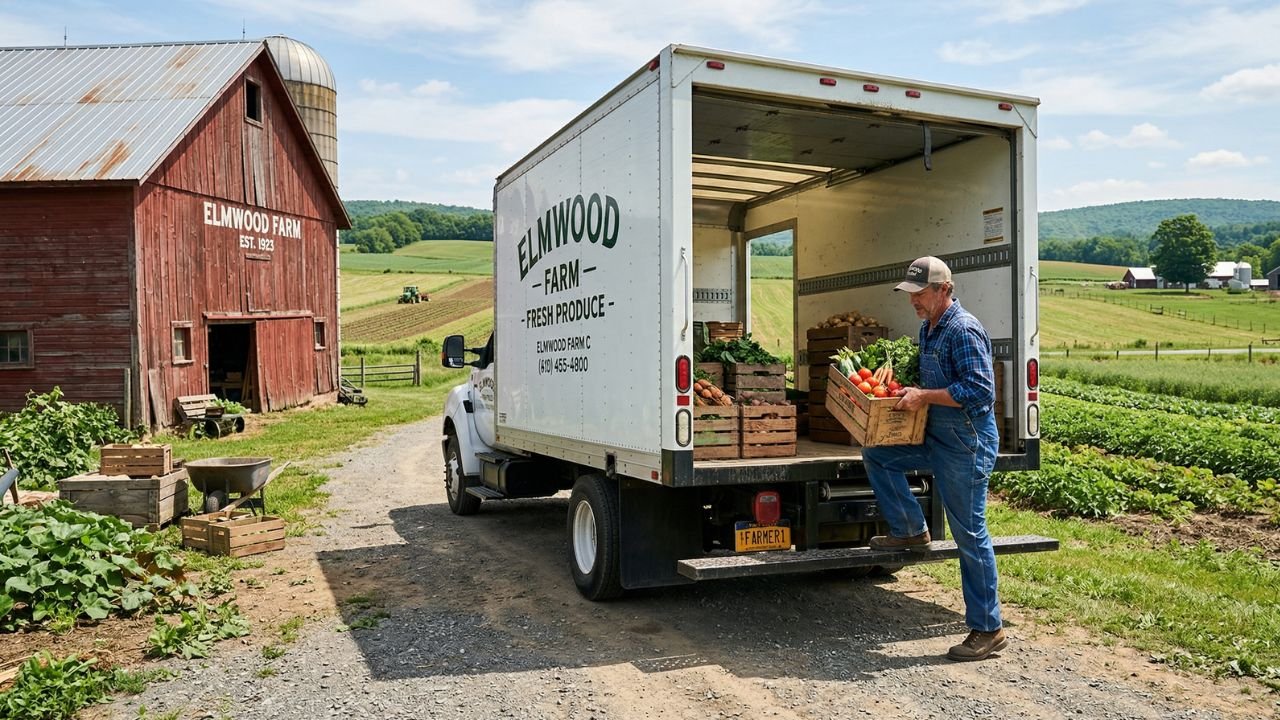
Now, let’s dive into the details so you can decide if adding one to your fleet makes sense.
Why Box Trucks Matter in Modern Farming Operations
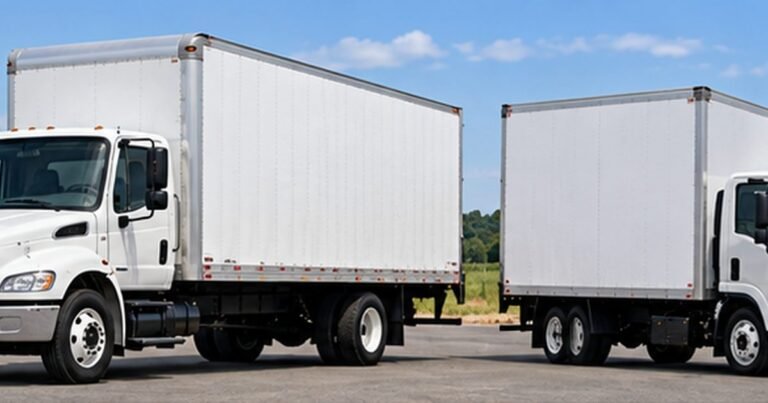
A box truck is basically a commercial vehicle with a separate cab up front and a big rectangular cargo box mounted on the chassis behind it. Unlike a pickup or a flatbed trailer you might tow with your tractor, the cargo area on a box truck is fully enclosed.
This protects your goods from rain, dust, wind, and even theft. Most folks call them cube trucks or straight trucks too, and they come in all sorts of sizes, from 10 feet long for small jobs to 26 feet for bigger loads.
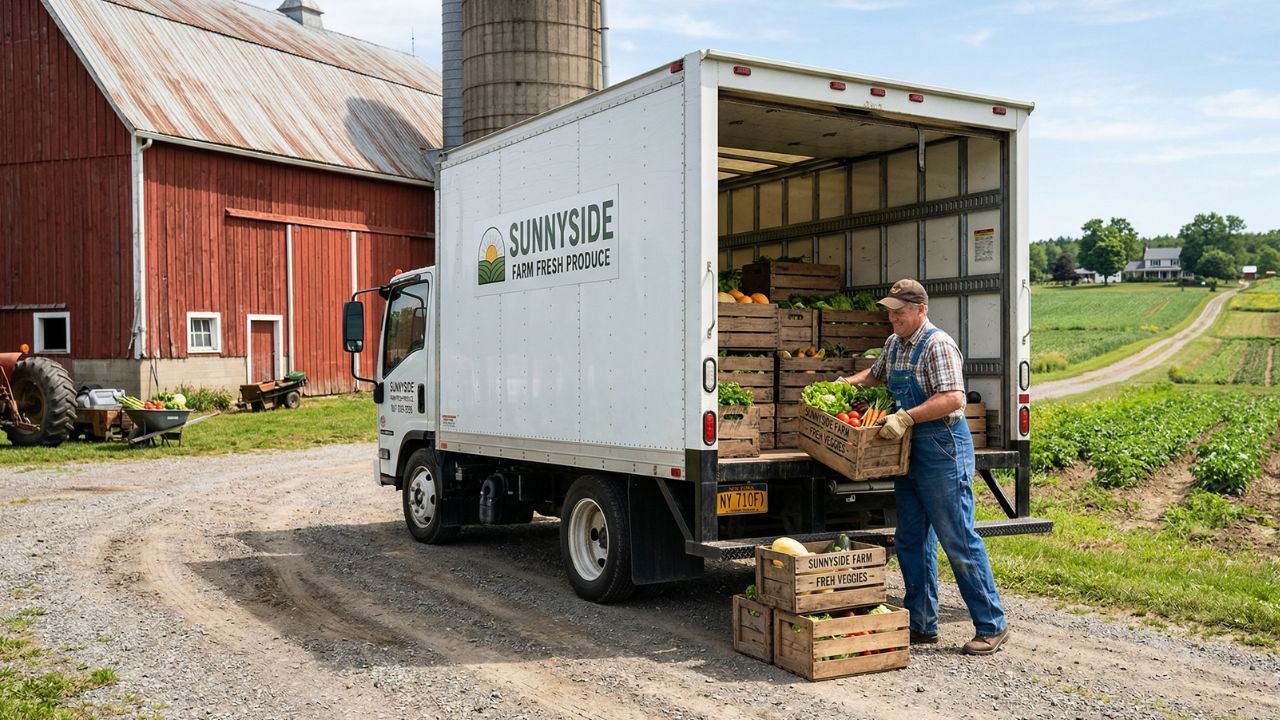
Farmers use them all the time for local deliveries. Imagine harvesting your tomatoes and getting them to the farmers’ market without them bruising or getting wet.
Or stocking up on bulk feed for your livestock and keeping it dry during transport. It’s all about truck efficiency that saves you time and money on the road.
One neighbor I know upgraded his setup last spring after years of struggling with open trailers hitched to his compact tractor. He added a box truck for those quick runs to town, and it cut his spoilage in half.
If you’re dealing with perishable crops or sensitive equipment, this setup just works better than relying solely on tractor-based hauling.
Key Features That Make Box Trucks Stand Out for Ag Use
Let’s break down what sets a box truck apart. The cargo box is rigid and usually made of aluminum or fiberglass for lightweight strength.
You get a roll-up door at the back, and sometimes side doors for easy access. Many models include a liftgate, which acts like a mini elevator to load heavy pallets without straining your back.
Sizes matter a lot here. Small ones handle light farm supplies, while larger versions move entire harvests. Most run on diesel or gas, and newer ones focus on better fuel economy, which ties right into those tractor fuel savings tips we share here at Tractors Planet.
Here’s a quick list of must-have features for farmers:
- Enclosed design to shield loads from weather
- Walk-in access for organizing crates or bags inside
- Liftgates or ramps for easy loading of tractor attachments or heavy tools
- Secure tie-down points to keep everything stable on bumpy country roads
- Insulated options for temperature-sensitive produce like dairy or fresh veggies
These details add up to real-world practicality that fits your busy schedule.
Benefits of Using a Box Truck on Your Farm or Agribusiness
Switching to or adding a box truck can boost your overall operation. First off, it protects your investment. No more worrying about rain soaking your hay bales or sun fading your packaged goods. That means less waste and more profit at the end of the day.
It also improves truck efficiency compared to older methods. You can make multiple stops on one route without reloading everything.
Plus, driving one feels straightforward if you’ve got experience with larger vehicles – often you don’t even need a full commercial license for the smaller classes.
For sustainable farming practices, many modern box trucks come with eco-friendly engines that cut emissions and improve gas mileage. Pair that with your tractor’s low-idle features, and you’re reducing your carbon footprint across the whole farm.
Let me share a real example. A small landowner in the Midwest told us how his box truck let him deliver directly to local restaurants, skipping the middleman.
His compact tractor handled the field work, while the truck took care of distribution. It’s that kind of teamwork between machinery that keeps things running smooth.
How to Choose the Best Box Truck Models for Your Needs
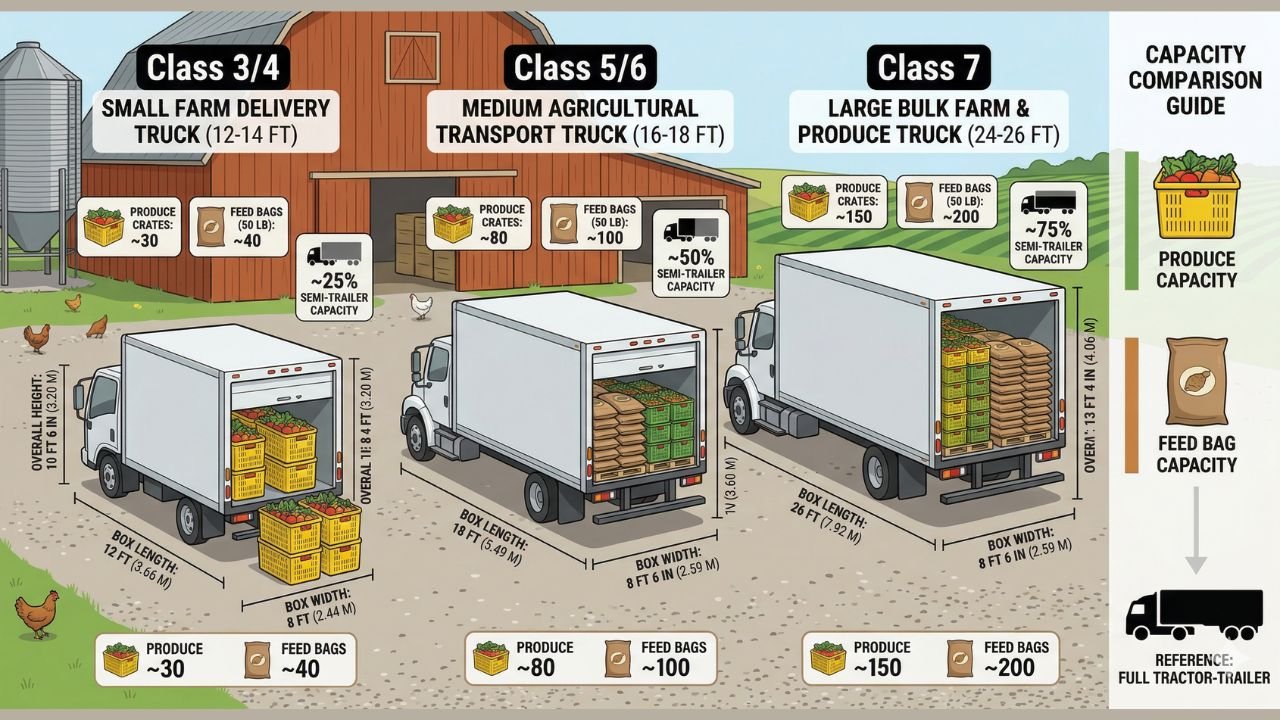
Picking the right box truck starts with your typical load size. If you run a small operation with a few acres, go for a 12- to 16-foot model. Larger agribusinesses might need 24 feet or more for bulk moves.
Look at fuel options too. Diesel models offer great torque for hilly terrain, which complements your tractor efficiency on uneven ground. Check the gross vehicle weight rating – it tells you how much you can safely carry without overloading.
Here’s a simple comparison table to help you weigh options:
| Feature | Small Box Truck (10-16 ft) | Medium Box Truck (18-22 ft) | Large Box Truck (24-26 ft) |
|---|---|---|---|
| Best For | Small farms, quick deliveries | Mid-size operations, mixed loads | Large agribusiness, bulk hauling |
| Typical Capacity | Up to 5,000 lbs | 8,000-12,000 lbs | 15,000+ lbs |
| Fuel Efficiency | Higher MPG for short trips | Balanced for daily use | Strong for heavy-duty routes |
| License Requirement | Often standard driver’s | Class B in some states | Commercial CDL likely |
This table sums up the basics without the overwhelm.
When shopping, consider best box truck models like those from Ford, Chevrolet, or International. They hold up well under farm conditions. Always test drive one with a sample load to feel how it handles.
Tips for Commercial Truck Maintenance to Keep Your Box Truck Running Strong
Maintenance keeps your box truck reliable, just like your compact tractor maintenance schedule. Check the tires weekly since farm roads can be rough. Oil changes every 5,000 miles or so prevent bigger issues down the line.
Don’t forget the cargo box itself. Inspect seals around doors to stop leaks, and grease the liftgate if you have one. A quick visual check before each trip saves headaches.
For truck attachments, add things like shelving inside for organized storage or backup cameras for safer reversing near the barn. These extras make daily use even easier.
If you’re watching costs, focus on preventive care. It ties into broader sustainable farming practices by reducing downtime and waste.
Fuel Savings and Efficiency Hacks for Your Box Truck
Want to stretch every dollar? Drive at steady speeds on highways to maximize truck efficiency. Keep the cargo box aerodynamics in mind – avoid overloading the roof if possible.
Newer models with automatic transmissions help on those stop-and-go farm routes. Combine this with your tractor fuel savings strategies, like proper tire pressure on all vehicles, and you’ll notice the difference at the pump.
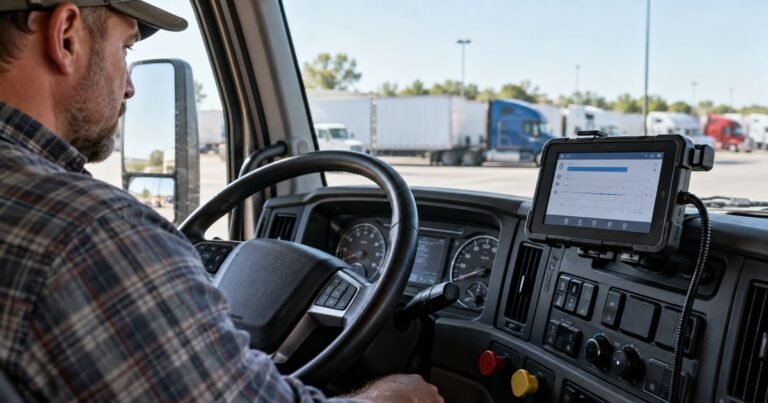
Some owners even add GPS trackers to plan smarter routes, cutting idle time. It’s simple tweaks like these that add up for small landowners trying to keep expenses low.
Common Truck Attachments That Boost Farm Productivity
Beyond the basics, truck attachments can transform your box truck. A hydraulic liftgate is a game-changer for loading heavy sacks or equipment without a forklift. Shelving units inside let you separate different crops or supplies.
Refrigerated units work great if you handle fresh meats or produce. And don’t overlook tow hitches – some models let you pull a small trailer for overflow, working alongside your tractor attachments back at the farm.
These add-ons keep everything versatile and ready for whatever the season throws at you.
Sustainable Farming Practices with Your Box Truck
Sustainability isn’t just for tractors anymore. Choose a box truck with low-emission engines to align with green ag goals. Electric or hybrid options are popping up more, especially for shorter routes around your property.
Proper loading reduces fuel use too. Distribute weight evenly to improve handling and mileage. At Tractors Planet, we always say small changes in your fleet lead to big wins for the environment and your bottom line.
FAQs About What Is a Box Truck
What license do I need to drive a box truck on the farm?
Most small to medium box trucks require just a regular driver’s license, but check your state’s rules for larger models. If your gross vehicle weight tops 26,000 pounds, you might need a Class B commercial license. It’s worth confirming locally before buying.
How does a box truck compare to a tractor-trailer for farm hauling?
A box truck is easier to maneuver in tight farmyards and doesn’t need a separate trailer like a semi. It’s great for shorter, local trips where you want enclosed protection. Tractor-trailers shine for long-haul bulk moves, but for daily ag tasks, the box truck often wins for simplicity.
Can I use a box truck with my existing tractor attachments?
Absolutely. Many farmers load tractor implements or attachments into the cargo box for transport to distant fields. Just secure them well, and you’re set. It complements your tractor setup perfectly for mixed operations.
A box truck offers farmers and agribusiness owners a smart, enclosed way to handle transport needs that tractors alone can’t cover. Whether you’re moving produce, supplies, or tools, it adds efficiency and peace of mind to your routine. If you’re thinking about expanding your fleet, start small and match it to your specific workload.
Thanks for reading here at Tractors Planet, your go-to spot for practical tractor and truck advice and beyond.
Disclaimer: This article provides general information based on common agricultural practices and is not a substitute for professional advice. Always consult local regulations, vehicle experts, and your insurance provider before purchasing or operating any commercial vehicle.