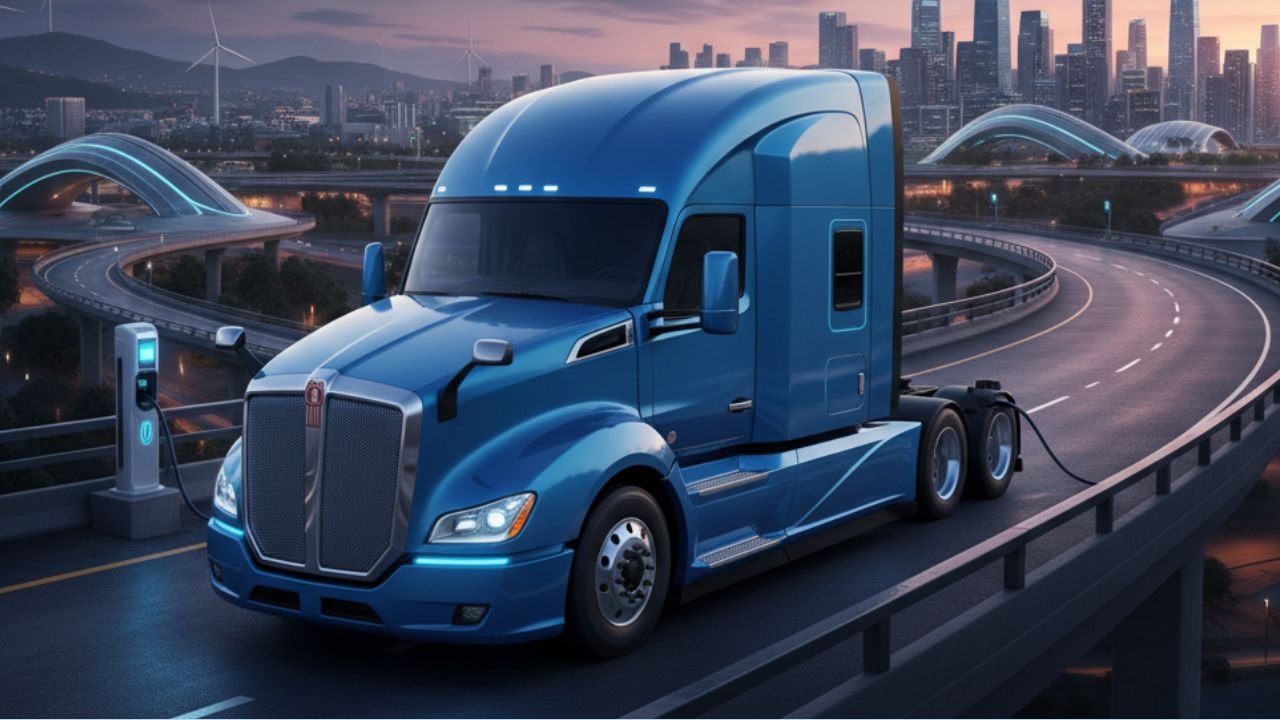
Kenworth Electric Trucks: Specs & Benefits

Have you ever wondered how the trucking world is shifting gears toward a greener future? Kenworth electric trucks are leading the charge, blending raw power with zero-emission tech.
These beasts aren’t just concepts anymore, they’re hitting the roads and reshaping how we think about heavy-duty hauling.
What Makes Kenworth Electric Trucks a Big Deal?
Kenworth has been a powerhouse in the truck industry for decades. Now, they’re electrifying their lineup to meet growing demands for sustainability.
The push comes from stricter emissions rules and rising fuel costs, making electric options more appealing than ever.
These trucks promise lower operating expenses over time, thanks to fewer moving parts and cheaper “fuel” from electricity.
Plus, they’re quieter, which is a win for urban deliveries. But it’s not all smooth sailing—upfront costs and infrastructure needs are key hurdles.
Kenworth’s electric models focus on Class 8 trucks, ideal for long-haul and vocational work. They’re built tough, just like their diesel siblings, but with batteries that pack a punch.
Key Models in the Kenworth Electric Truck Lineup
Kenworth offers a few standout electric models, each tailored for specific jobs. Let’s break them down.
The T680E: Built for On-Highway Efficiency
The T680E is Kenworth’s flagship on-highway electric truck. This Class 8 rig comes in truck or tractor configs with a 200+ mile range on a full charge.
It uses a PACCAR ePowertrain that delivers 365-470 hp continuous power and peaks at 605 hp with 1,850 lb-ft of torque.
Battery options include up to 500 kWh, and it supports 350 kW fast charging—getting you back on the road in hours.
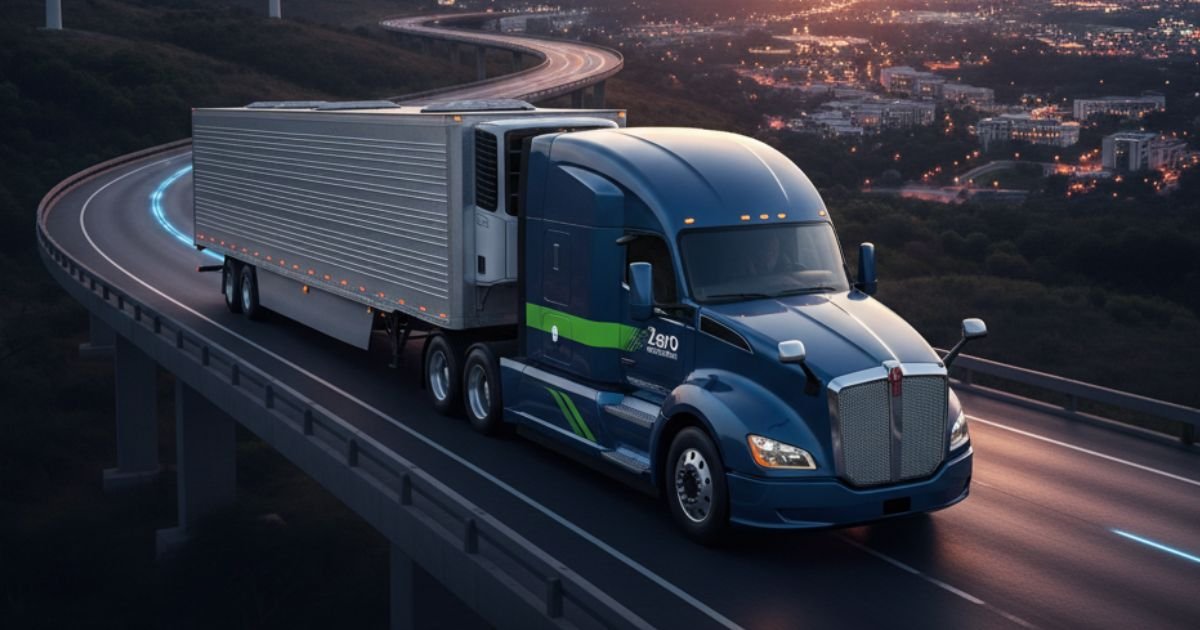
Recent updates in 2025 added advanced driver assistance systems (ADAS) from Bendix, like adaptive cruise and collision mitigation.
The T880E: Vocational Powerhouse
For tougher jobs like construction or refuse, the T880E steps up. It’s the industry’s first Class 8 electric vocational truck, boasting a 200+ mile range and a midship electric motor paired with a 3-speed transmission.
This model shares the same ePowertrain as the T680E, offering similar power outputs. It’s designed for heavy loads, with features like regenerative braking to extend range during stop-and-go work.
Other Notable Models
- K270E: A medium-duty option with 355 hp and a compact battery pack for city routes.
- L770E: Tailored for refuse collection, with a 350 kWh battery and 80-120 mile range, handling up to 1,100 cycles per charge.
These models show Kenworth’s commitment to versatility in electrification.
Pros and Cons of Kenworth Electric Trucks
No truck is perfect. Here’s a balanced look at what owners and testers say.
Pros
- Instant Torque and Smooth Ride: Electric motors deliver power right from zero rpm, making acceleration feel effortless—even with heavy loads.
- Zero Emissions: Perfect for meeting green regulations and reducing your carbon footprint.
- Lower Maintenance: Fewer parts mean less downtime and cheaper repairs over time.
- Quiet Operation: Drivers love the reduced noise, especially in residential areas.
Cons
- High Upfront Cost: These can run $400,000 or more, compared to $250,000 for a diesel equivalent.
- Limited Range: 200+ miles works for regional hauls but not coast-to-coast without planning.
- Charging Infrastructure: Fast chargers aren’t everywhere yet, and installation adds expense.
- Weight Concerns: Batteries add heft, potentially cutting payload.
In tests, the T680E and T880E handled wet roads and full loads well, with instant torque standing out against diesels.
How Kenworth Electric Trucks Compare to Competitors
Kenworth isn’t alone in the electric game. Let’s stack them up.
| Feature | Kenworth T680E | Tesla Semi | Freightliner eCascadia |
|---|---|---|---|
| Range | 200+ miles | Up to 500 miles | 230 miles |
| Power | 605 hp peak | 1,000 hp | 470 hp |
| Charging | 350 kW (hours to full) | Megachargers (fast) | 180 kW |
| Price | ~$400k+ | $150k-$180k | ~$350k |
| Best For | Regional hauls | Long-haul | Distribution |
Kenworth shines in build quality and vocational versatility, but Tesla leads in range. A mini case study: One fleet manager noted Kenworth’s EV for yard work cost double a diesel but saved on fuel long-term.
Compared to diesel Kenworths like the T680, electrics offer better efficiency but require route planning.
Tips for Adopting Kenworth Electric Trucks
Ready to go electric? Start small.
- Assess your routes: Stick to 200-mile loops for best results.
- Invest in charging: Home-base fast chargers are a must.
- Seek incentives: Tax credits can offset high costs.
- Train drivers: Regenerative braking changes the game.
Fleets report smoother operations once infrastructure is in place.
Key Takeaways
- Kenworth electric trucks like the T680E and T880E deliver 200+ mile ranges and powerful performance.
- Pros include zero emissions and low maintenance; cons focus on cost and range.
- They compare well to rivals but excel in heavy-duty tasks.
- Adoption tips: Plan routes and leverage incentives for success.
FAQs About Kenworth Electric Trucks
Q. What is the range of a Kenworth electric truck?
A. Most models, like the T680E, offer over 200 miles on a single charge, depending on load and conditions. Vocational ones like the L770E are shorter at 80-120 miles for specialized work.
Q. How long does it take to charge a Kenworth electric truck?
A. With 350 kW fast charging, you can reach full in about 3-4 hours. Slower options take longer but are cheaper for overnight use.
Q. Are Kenworth electric trucks worth the investment?
A. For fleets focused on sustainability and regional routes, yes—thanks to lower fuel and maintenance costs. But high upfront prices mean a longer ROI period.
Conclusion
Kenworth electric trucks are paving the way for a cleaner, more efficient trucking future. From the versatile T680E to the rugged T880E, these models blend innovation with proven reliability. As tech advances and infrastructure grows, expect them to become even more common on highways.
Disclaimer: This article is for informational purposes only and should not be considered professional advice.


