Tractor Maintenance Schedule: 50 to 500 Hours

A tractor maintenance schedule should always come from the operator’s manual for your exact model. Service intervals vary, but many tractors organize maintenance around daily checks and hour-based milestones such as 50, 100, 250, and 500 hours.
The purpose of an hour-based schedule is simple: catch wear, contamination, loose parts, and fluid problems before they cause downtime.
Tractor Maintenance Schedule: Start With Daily Checks
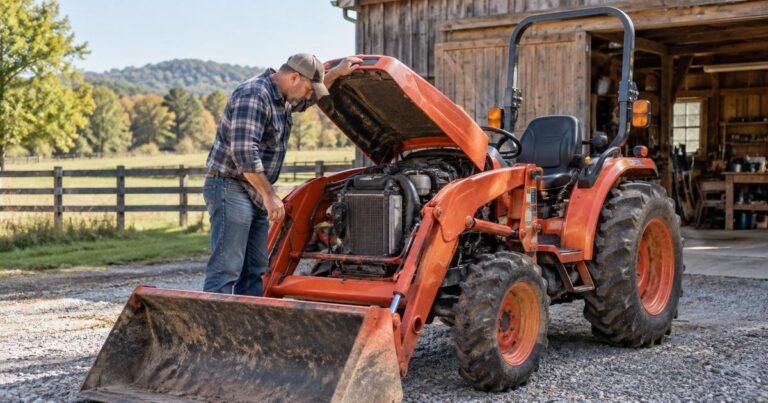
Before operating, inspect engine oil, coolant, hydraulic fluid, fuel, leaks, tires, lights, shields, and obvious loose or damaged parts. Penn State Extension recommends routine pre-operational checks because small issues can become safety or reliability problems quickly.
- Engine oil level
- Coolant level
- Hydraulic/transmission fluid level
- Fuel and water separator
- Tire condition and pressure
- Leaks under the tractor
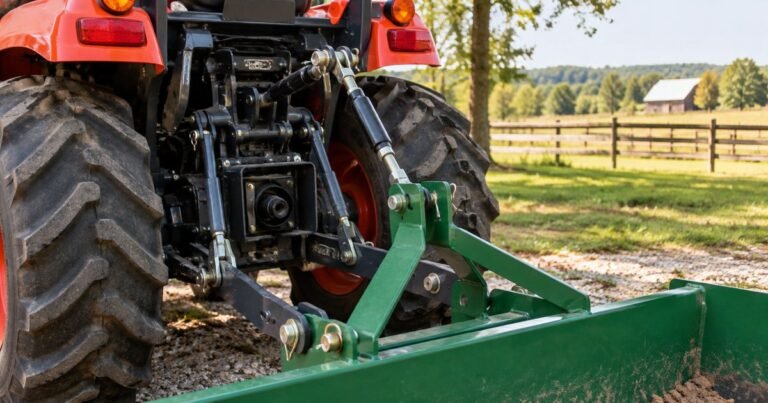
- Loader and hitch pins
- Lights and safety equipment
- Radiator screen and debris buildup
Around 50 Hours
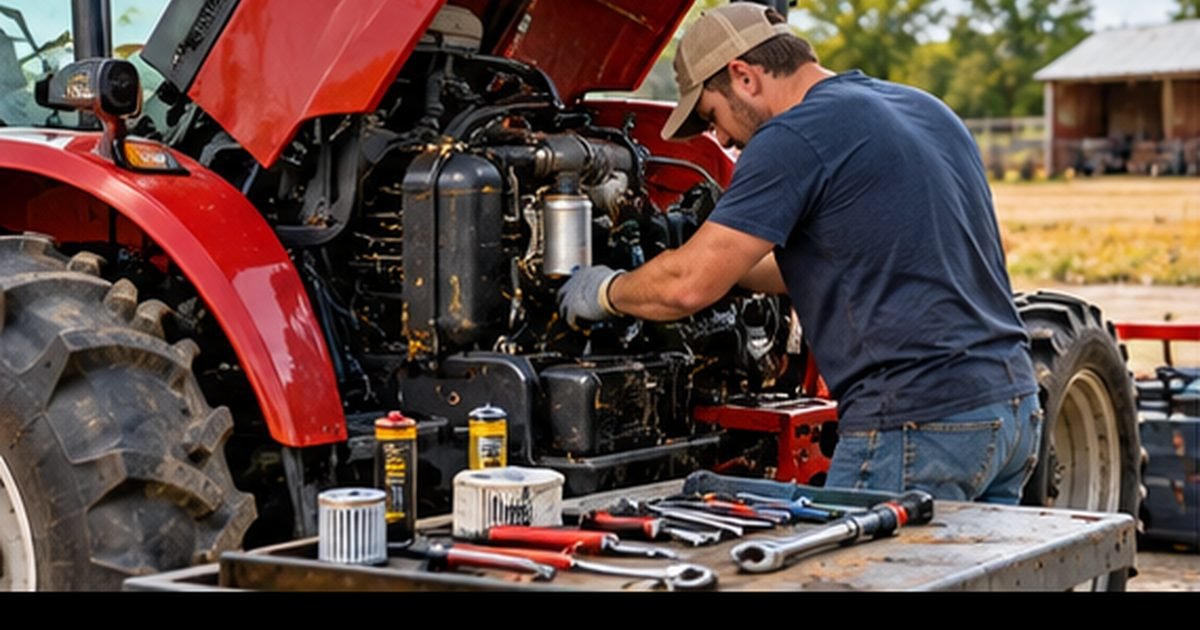
Many new tractors have an early service interval after break-in. Depending on the manufacturer, this can include engine oil and filter replacement, hydraulic filter service, lubrication, belt inspection, and fastener checks.
Do not assume every tractor requires the same first service. Some modern models have different engine-oil intervals or separate hydraulic-filter requirements.
Around 100 Hours
At shorter recurring intervals, common tasks can include greasing, cleaning air-intake components, checking battery terminals, inspecting belts and hoses, draining water separators, and checking wheel or loader hardware.
Dusty mowing or loader work may require more frequent cleaning than the normal schedule.
Around 250 Hours
Mid-interval service may add fuel-filter replacement, engine-oil service, air-filter inspection, brake or clutch checks, front-axle lubrication, and other model-specific work.
Hydrostatic tractors may also have transmission or hydraulic filters with specific intervals. Use only the fluid and filter specification listed by the manufacturer.
Around 500 Hours
Longer service intervals often include deeper inspection and fluid or filter replacement. Depending on the tractor, this may include transmission/hydraulic fluid, front axle oil, fuel system components, cooling-system service, valve checks, or emissions-system inspection.
Modern diesel engines with DPF, DOC, SCR, or other emissions systems can have additional maintenance requirements not found on older tractors.
| Interval | Typical Items to Check |
|---|---|
| Daily/each use | Fluids, tires, leaks, cooling screens, safety items |
| 50 hours | Break-in service, filters, lubrication, fasteners |
| 100 hours | Grease points, battery, belts, separator, air intake |
| 250 hours | Oil/filter service, fuel filter, brake/clutch checks |
| 500 hours | Deeper fluid/filter service and system inspections |
Greasing Is Easy to Overlook
Loader pivots, steering joints, three-point components, and other grease points can wear quickly when operated dry. Grease intervals can become shorter in mud, water, dust, or heavy loader work.
Clean grease fittings before attaching the grease gun so you do not push dirt into the joint.
Air Filters and Cooling Screens
Grass seed, chaff, and dust can block radiator screens and reduce cooling. Inspect them frequently during mowing or field work.
Do not automatically replace an air filter simply because it looks dusty. Follow the manufacturer’s restriction indicator or service procedure where provided, and avoid damaging filter media with excessive compressed air.
Keep a Maintenance Log
Record date, engine hours, parts used, fluid type, and service performed. A simple maintenance log helps prevent missed intervals and can improve resale confidence.
If you are troubleshooting a no-start issue, see our tractor won’t start guide.
Source: Penn State Extension pre-operational tractor checks plus the operator manual for the specific machine.
Why Tractor Service Intervals Are Not Universal
A 50-hour, 100-hour, or 500-hour service label is only a planning framework. The operator’s manual for the exact tractor model is the controlling maintenance schedule because manufacturers use different engines, hydraulic systems, filters, oils, and break-in requirements.
Use this guide to understand what commonly needs attention, then transfer the actual intervals from your manual into a maintenance log. If the manual calls for a task earlier than a general schedule, follow the manual.
Daily or Pre-Use Checks
Before starting work, walk around the tractor and look for fluid leaks, loose hardware, damaged tires, broken lights, and anything wrapped around the PTO or driveline. Check engine oil, coolant, and other fluids according to the manual.
Inspect tires for cuts, low pressure, and unusual wear. If the tractor uses a front loader, check the loader pins, hydraulic hoses, quick couplers, and attachment lock. A short inspection can catch problems before they become downtime.
The First 50 Hours Matter
Many tractors have a special break-in service, but the required tasks vary. Some manufacturers call for engine oil and filter changes, hydraulic filter service, wheel-bolt checks, or other inspections during the early hours.
Do not assume every tractor needs the same 50-hour service. Check the maintenance chart for your serial number and model, especially if you bought the tractor used and do not know whether the first service was completed.
100 to 200 Hours: Build a Repeatable Routine
At recurring service intervals, common tasks can include engine oil and filter changes, lubrication of grease fittings, air-cleaner inspection, battery inspection, and checks of belts, hoses, brakes, steering, and fluid levels.
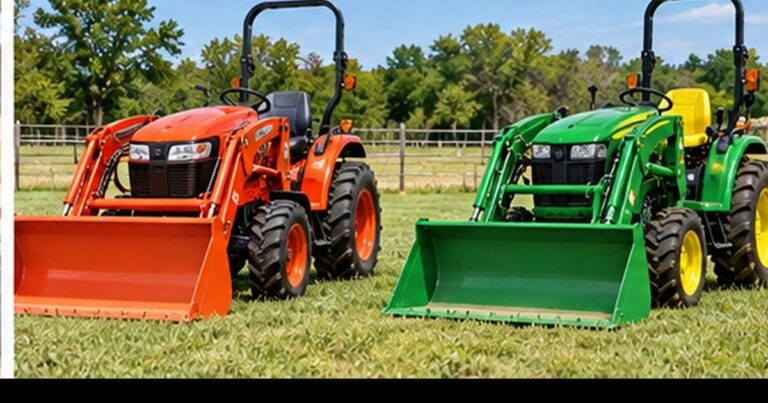
Loader tractors often need more frequent attention at pivot points because dirt, water, and repeated loader cycles can remove grease quickly. Keep fittings clean before greasing so abrasive grit is not pushed into the joint.
Hydraulic and Transmission Service
Hydraulic and transmission oil intervals vary widely by model. Some systems share fluid, while others use separate reservoirs. Filters may also be changed on a different schedule from the fluid itself.
Use only the fluid specification listed by the manufacturer. The wrong viscosity or additive package can affect wet brakes, clutches, hydrostatic components, hydraulic performance, and cold-weather operation.
Cooling System and Airflow
Tractors working in dry grass, chaff, or dusty conditions can plug radiator screens quickly. Check the radiator, oil cooler, air-conditioning condenser, and removable screens more often than the hour meter alone suggests.
Clean with the method recommended in the manual and avoid damaging cooling fins. Overheating under load is often a sign that airflow, coolant level, belt condition, or radiator cleanliness needs attention.
Fuel and Air Filters
Diesel tractors depend on clean fuel and unrestricted airflow. Drain water separators as required, replace fuel filters at the specified interval, and inspect the air-cleaner restriction indicator if the tractor has one.
Do not replace or blow out a dry air-filter element more often than the manufacturer recommends. Excessive handling can damage the media or introduce dirt into the intake.
Tires, Wheels, and Ballast
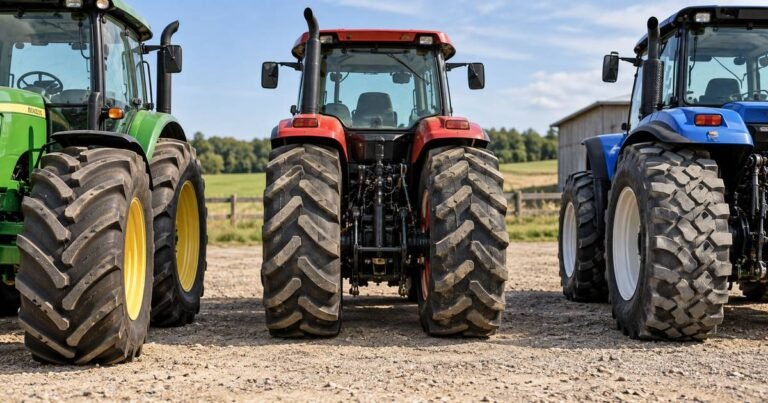
Check tire pressure when the tires are cold and use pressures appropriate for the tire, load, and tractor application. Loader work and road transport can place very different demands on the tires.
Recheck wheel fasteners at the intervals in the manual, particularly after wheel removal, adjustment, or early operation. If the tractor uses liquid ballast or wheel weights, inspect for leaks, loose hardware, and corrosion.
What to Record in a Maintenance Log
- Date and engine-hour reading.
- Oil, filter, and fluid changes.
- Grease and inspection work.
- Tire pressure and wheel-service notes.
- Repairs, warning lights, leaks, or abnormal noises.
- Part numbers and fluid specifications used.
A maintenance log helps prevent duplicate work and missed intervals. It is also useful when selling a tractor because documented service history is more meaningful than a seller simply saying the machine was maintained.
FAQs: Tractor Maintenance Schedule
Q. Do all tractors need service at 50 hours?
A. No. Many do have an early break-in interval, but tasks and timing vary by manufacturer and model.
Q. Should I service by calendar time or engine hours?
A. Follow the manual. Some items are based on hours, some on time, and some use whichever limit occurs first.
Q. Can heavy use shorten intervals?
A. Severe dust, heat, water, heavy loader work, or other demanding conditions can require more frequent inspections and service.
Conclusion
A good tractor maintenance schedule combines daily inspections with the exact hour-based service intervals in your operator’s manual. Build a log and service the tractor before small wear turns into expensive downtime.
Disclaimer: This is general maintenance information. Always use the operator and service manuals for your exact tractor, approved fluids, and specified procedures.