Truck Payload Capacity Explained: How Much Can You Carry?

Truck payload capacity is the amount of weight a truck can carry within its vehicle, axle, tire, and manufacturer limits. Cargo is only part of the load. Drivers, passengers, tools, fuel-related differences, liftgates, shelving, and installed equipment also affect available capacity.
The safest way to determine payload is to use the exact truck’s ratings and actual scale weight rather than a generic number from body size.
Truck Payload Capacity Explained
A basic estimate is GVWR minus actual ready-to-work vehicle weight. If a truck has a 19,500-pound GVWR and weighs 12,500 pounds with normal equipment and occupants, the remaining difference is 7,000 pounds.
That does not mean all 7,000 pounds can be placed anywhere in the truck because axle and tire limits still apply.
Payload vs GVWR
GVWR is the manufacturer’s maximum loaded vehicle rating. Payload is the usable load remaining after accounting for the vehicle’s own weight.
See our GVWR guide for a deeper explanation.
Installed Equipment Uses Payload
Liftgates, shelving, refrigeration units, toolboxes, generators, auxiliary tanks, and permanently mounted equipment increase empty weight.
That reduces the amount available for cargo, even if the truck body dimensions stay the same.
Passengers and Driver Count Too
The driver and passengers add to actual loaded vehicle weight. A crew truck carrying several people has less available payload than the same truck with only one driver.
Personal gear and tools also count.
Axle Ratings Can Limit You First
Dense cargo placed too far rearward can overload the rear axle even when total vehicle weight is below GVWR.
Use proper cargo distribution and a scale when loads are heavy or close to limits.
How to Check Payload
- Find the truck’s GVWR.
- Load normal tools, equipment, fuel, and occupants.
- Weigh the truck on a reliable scale.
- Subtract actual weight from GVWR.
- Check front and rear axle weights.
- Compare axle and tire ratings.
- Distribute and secure cargo properly.
For box trucks specifically, see our box truck weight guide.
Body Upfits Change Payload Significantly
Commercial trucks are often sold as a chassis and then completed by a body builder. A dry-freight box, dump body, service body, refrigeration unit, liftgate, shelving, crane, compressor, or auxiliary tank all add weight before the first pound of customer cargo is loaded.
That is why the best payload number comes from the completed truck, not a bare-chassis brochure. After upfitting, weigh the vehicle in its normal ready-to-work condition with driver, fuel, tools, and permanent equipment.
Payload and Axle Placement
Dense freight should be positioned so neither axle exceeds its rating. Loading everything at the rear can overload the rear axle and reduce steering-axle weight. Loading too far forward can create a different imbalance.
Individual axle weights are especially useful for pallets, machinery, liquids, stone, metal, and other concentrated loads. A total truck weight under GVWR does not guarantee correct axle loading.
Payload and Tire Capacity
Tires also have load ratings. The combined tire capacity on an axle must support the actual axle load and remain within wheel and axle limits.
Incorrect inflation can reduce usable tire capacity or create heat buildup. Follow commercial tire load-and-inflation guidance instead of using a generic pressure.
Payload Changes During the Route
Delivery trucks become lighter as freight is removed, but the load can also become poorly distributed. If several front pallets are delivered first, remaining cargo may be concentrated toward the rear.
Drivers should understand the loading plan and secure partial loads so cargo cannot shift. Route sequence can influence loading order when weight distribution is tight.
Why Payload Matters for Buying Decisions
A truck with too little payload can force extra trips, limit contracts, or create pressure to overload. A much heavier chassis may increase purchase price, fuel use, licensing requirements, and insurance.
Choose enough capacity for the heaviest normal route with a reasonable margin, rather than sizing only for average days.
Passengers and Tools Count Against Payload
Payload is not only customer cargo. The driver, passengers, tools, spare parts, chains, dollies, fuel carried outside the normal curb-weight definition, and removable equipment can all use available capacity.
A truck that appears to have plenty of cargo room can still be near its weight limit after a service body, liftgate, and tools are installed.
Payload vs Towing Capacity
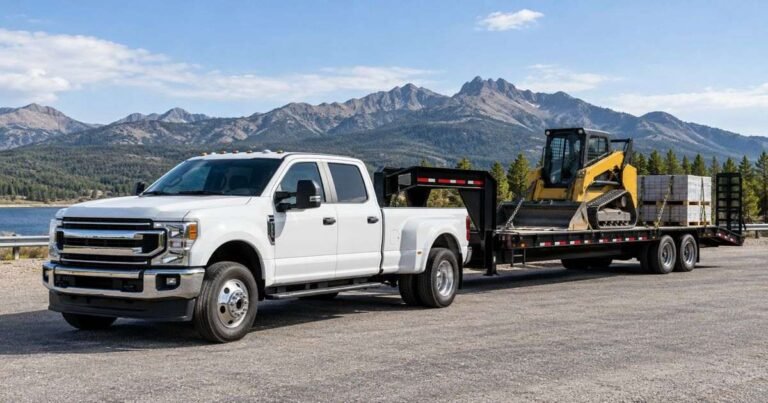
Towing and payload are connected because trailer tongue or pin weight presses down on the truck. A heavy trailer can use a large portion of available payload before any cargo is placed in the truck body.
When towing, check truck GVWR, axle ratings, tire capacity, hitch rating, trailer rating, and GCWR together. No single number replaces the others.
Why Dense Cargo Is Different
Furniture may fill the box before the truck reaches its weight limit, while tile, bottled drinks, stone, metal parts, or machinery can reach the weight limit with plenty of empty space remaining.
Businesses carrying dense freight should weigh representative loads and train employees to recognize when a physically small load can still be heavy.
Use a Scale Instead of Guessing
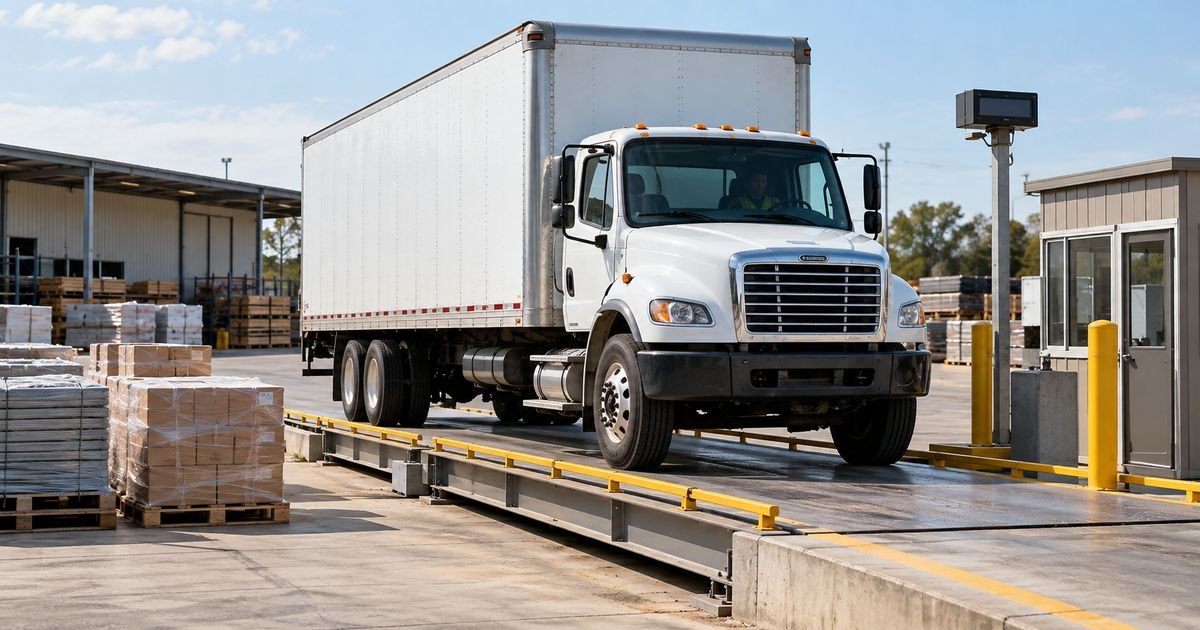
Commercial scales provide the most reliable way to verify loaded weight. When operating close to limits, separate axle weights are valuable because they reveal poor distribution.
Keep typical scale tickets for recurring routes so dispatchers and loaders have a realistic reference for future loads.
Build in a Practical Margin
Running at the absolute rating every day leaves little room for cargo variation, extra passengers, route changes, or scale error. A reasonable operational margin can make loading easier and reduce the chance of accidental overload.
The exact margin is a business decision, but the goal should be consistent compliance rather than treating the rating as a target to hit on every trip.
Payload Labels Can Help but Verify the Completed Truck
Some vehicles include payload-related labels, but commercial upfits and added equipment can change real ready-to-work weight. If the truck has a liftgate, shelving, refrigeration, service body, or other permanent equipment, an actual scale weight gives you the best starting point.
Reweigh the truck after major equipment changes instead of relying on an old figure that no longer reflects the vehicle.
Loading Policies Reduce Mistakes
Businesses that haul repeat cargo can create simple loading rules based on weight and position. For example, dense items can be assigned to specific floor zones so loaders do not accidentally overload one axle.
Clear policies are especially useful when several employees load the same truck and not every driver is present during loading.
Reweigh After Major Changes
Payload calculations should be updated after adding or removing heavy permanent equipment. A replacement liftgate, refrigeration unit, service body, crane, or large tool package can change empty weight enough to affect normal loading limits.
Keeping a current empty scale ticket in the fleet records gives drivers and dispatchers a reliable baseline instead of relying on an old brochure or memory.
Payload planning should be part of dispatch, not an afterthought at the loading dock. When routes repeat, record typical cargo weights and axle positions so employees have a practical reference before the truck is fully loaded.
Use current scale weights for every setup.
FAQs: Truck Payload Capacity
Q. Does payload include the driver?
A. The driver’s weight contributes to actual vehicle weight and reduces remaining capacity available for cargo.
Q. Can a truck be under GVWR but still overloaded?
A. Yes. An axle or tire can be overloaded even when total weight is below GVWR.
Q. Does a liftgate reduce payload?
A. Yes. The liftgate adds to empty vehicle weight.
Conclusion
Truck payload capacity is not just a cargo-box number. Use actual truck weight, GVWR, axle ratings, tire limits, and installed equipment to determine how much you can safely carry.
Disclaimer: This article provides general educational information. Always follow vehicle certification labels, tire ratings, and applicable weight laws.