What Is GVWR on a Truck? Weight Rating Explained

GVWR on a truck means Gross Vehicle Weight Rating. NHTSA defines GVWR as the loaded weight value specified by the manufacturer for a single vehicle.
It is one of the most important numbers for loading, licensing, commercial regulations, and vehicle selection.
What Is GVWR on a Truck?
GVWR is not the truck’s current scale weight. It is a rating assigned by the manufacturer.
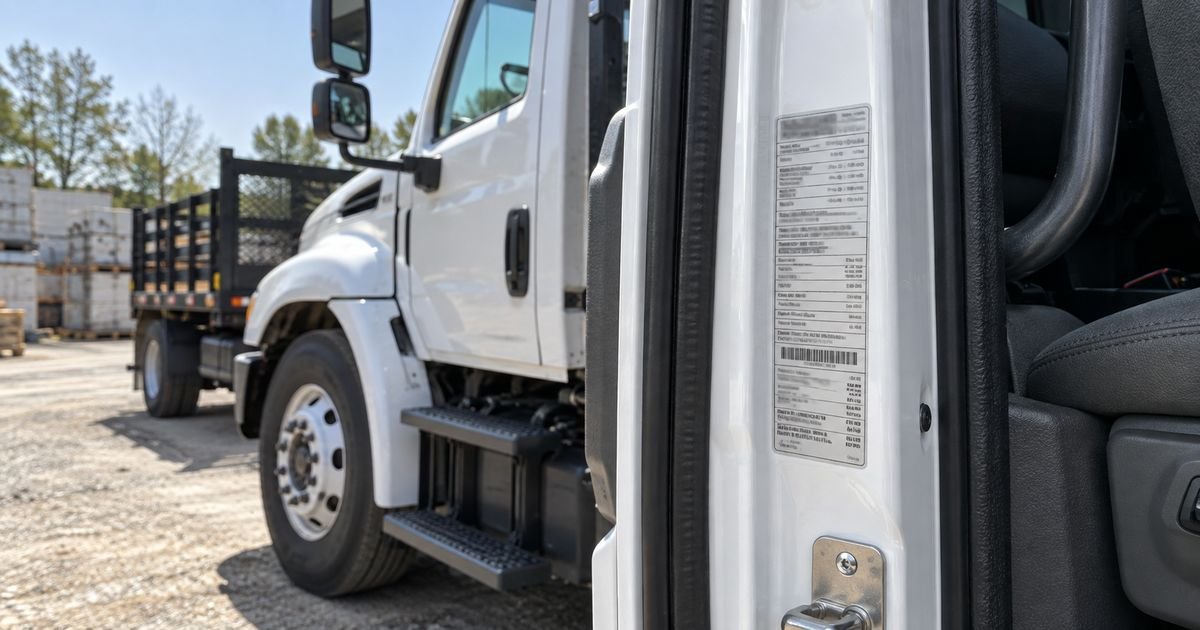
You can usually find it on the certification label near the driver’s door or in manufacturer documentation.
GVWR vs Actual Weight
A truck with a 26,000-pound GVWR might weigh far less when empty. Cargo, passengers, fuel, liftgates, shelving, and equipment increase actual weight.
Operators must stay within applicable vehicle, axle, tire, and legal limits.
GVWR vs Payload
Payload is the amount of weight the truck can carry after accounting for its own weight and other loads. A rough estimate is GVWR minus actual ready-to-work truck weight.
Axle ratings can limit cargo placement before total GVWR is reached.
GVWR and CDL Rules
FMCSA Class B rules generally apply to a single vehicle with a GVWR or actual weight of 26,001 pounds or more, subject to the complete federal definition.
That is why a truck’s rating matters even when it is empty. See our box truck CDL guide.
GVWR vs GAWR
GAWR means Gross Axle Weight Rating. A truck can be below total GVWR and still overload one axle.
Cargo distribution therefore matters, especially with dense loads and long rear overhangs.
Why Buyers Should Check GVWR
- CDL classification
- Payload planning
- Insurance and registration
- Commercial safety rules
- Axle and tire selection
- Business route planning
Do not rely on body length or model name alone. Two trucks that look similar can have different ratings.
Official sources: NHTSA GVWR definition and FMCSA CDL classification guidance.
GVWR Does Not Change When You Unload the Truck
A common misunderstanding is that a truck below 26,001 pounds on a scale automatically falls below every rule tied to that threshold. Some regulations use the manufacturer’s rating, some use actual weight, and some use whichever is greater.
Removing cargo changes actual weight, but it does not change the certification label or manufacturer-assigned GVWR. This distinction matters for CDL classification, registration, safety rules, and insurance.
Where to Find the Certification Label
On many trucks, the certification label is located near the driver’s door or door jamb. It can list GVWR and front and rear GAWR values.
Body builders and upfitters may add additional labels when the completed vehicle differs from the original chassis configuration. If ratings appear inconsistent, use manufacturer or upfitter documentation and ask a qualified dealer to clarify them.
Why Axle Ratings Matter
Total vehicle weight can be below GVWR while one axle is overloaded. This is common when dense cargo is concentrated too far forward or rearward.
Weighing individual axles helps identify poor load distribution. Tire capacity must also be sufficient for the actual load on each axle.
GVWR and Payload Are Connected
Payload is not printed as one permanent number on every commercial truck because completed vehicle weight varies with body, liftgate, equipment, passengers, and fuel.
A practical payload estimate starts with GVWR and subtracts the actual ready-to-work truck weight. Then confirm that front and rear axle ratings are also respected.
Why Buyers Should Care Before Purchase
Buying a truck with a higher GVWR can increase payload opportunity, but it may also change licensing, registration, insurance, inspection, and operational requirements.
Choose the rating intentionally. A truck that is larger than the business needs can create unnecessary costs, while a truck that is too lightly rated can limit payload and force extra trips.
GVWR vs Curb Weight
Curb weight describes what the truck weighs in a specified empty or ready-to-drive condition. GVWR is the maximum rated weight of the loaded vehicle. The difference between them helps estimate payload, but completed commercial trucks often need an actual scale weight for accuracy.
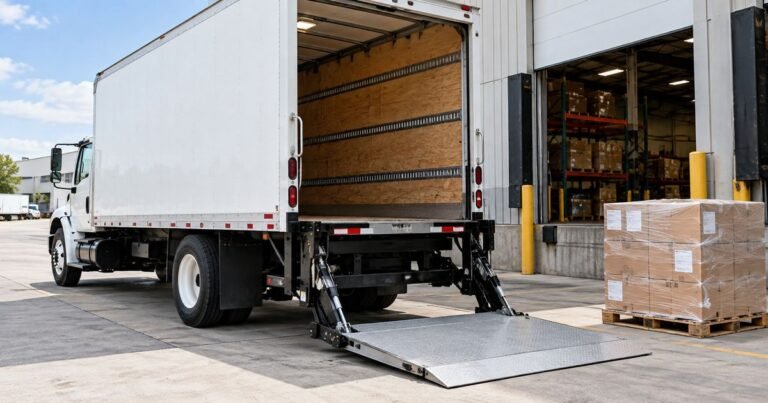
Body upfits, liftgates, toolboxes, auxiliary tanks, shelves, and permanent equipment can make the finished truck much heavier than the original chassis specification suggests.
GVWR vs GAWR
GAWR means Gross Axle Weight Rating. A truck can be under its total GVWR and still exceed a front or rear GAWR if cargo is badly positioned.
That is why dense freight should be weighed by axle when operating near capacity. Total scale weight alone can hide an overloaded rear axle.
GVWR and Towing
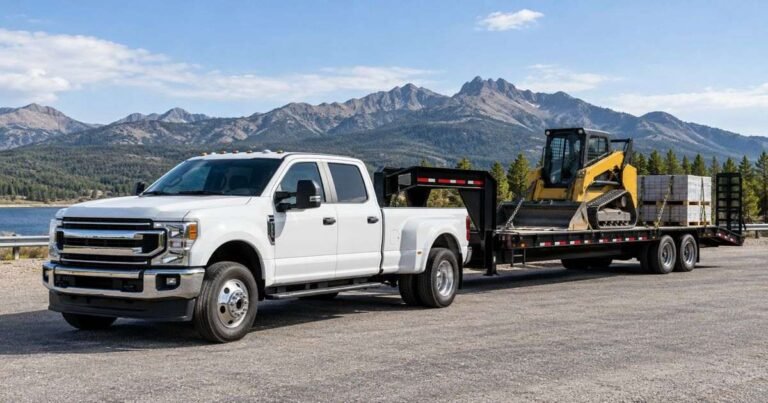
GVWR applies to the truck itself. Towing introduces trailer GVWR, actual trailer weight, tongue or pin weight, hitch limits, and GCWR.
Tongue or pin weight is carried by the truck, so it uses payload and affects axle load. A truck can remain under GCWR while exceeding its own GVWR or rear axle rating.
GVWR and CDL Decisions
Federal CDL classification uses weight thresholds, but the exact rule depends on whether the vehicle is single or combined with a trailer and whether another CDL trigger applies. Do not use truck length or cargo volume as a substitute for the rating.
Commercial operators should verify current federal rules and their state’s licensing requirements before putting a driver in service.
Why You Should Not Alter a Rating
GVWR is assigned through the manufacturer and vehicle-certification process. Simply installing stronger tires, springs, or brakes does not automatically create a new legal GVWR.
If a truck is modified or upfitted, use proper manufacturer and final-stage certification information rather than creating your own rating from component capacities.
A Simple Loading Example
Suppose a completed truck has a GVWR of 19,500 pounds and weighs 13,000 pounds with the driver, fuel, liftgate, shelving, and tools. That leaves 6,500 pounds before considering axle and tire limits. If a 4,000-pound pallet is placed too far behind the rear axle, the truck may still be under GVWR while the rear axle is overloaded.
This is why both total and axle weights matter. A scale ticket can reveal a distribution problem that is impossible to see from cargo volume alone.
GVWR and Upfitting
Commercial chassis are often completed by another company that installs the body and equipment. Those additions change empty weight and may affect final certification information.
When buying a used truck, inspect all certification labels and ask for upfitter documentation if the truck has been modified significantly.
Why Fleets Track Scale Weights
Fleets that move similar cargo repeatedly can use past scale tickets to build reliable loading rules. That helps dispatchers estimate how many pallets, bins, or pieces of equipment a particular truck can carry safely.
Those rules should still allow for variation in cargo density, passengers, fuel, and seasonal equipment.
Use the Rating in Daily Operations
Drivers and loaders should know the truck’s GVWR before the route starts. Keep the rating accessible and combine it with actual scale weights so employees are not guessing how much cargo remains available.
When routes or equipment change, update loading instructions. A new liftgate, shelving package, auxiliary tank, or permanent tool setup can reduce usable payload even though the GVWR itself stays the same.
For recurring commercial routes, keep recent scale tickets with fleet records and compare them after body, equipment, or cargo changes. That simple habit helps drivers spot when a truck that once had comfortable capacity is gradually operating closer to its ratings.
FAQs: Truck GVWR
Q. Does GVWR change when the truck is empty?
A. No. GVWR is a manufacturer rating, not the current scale weight.
Q. Is GVWR the same as payload?
A. No. Payload is the amount of added load available within the truck’s ratings.
Q. Where is GVWR listed?
A. It is commonly listed on the manufacturer certification label and in official vehicle documentation.
Conclusion
GVWR is the manufacturer’s maximum loaded-weight rating for the vehicle. Use it together with actual weight, GAWR, tire ratings, payload, and licensing rules.
Disclaimer: This article provides general educational information. Always follow vehicle certification labels and applicable weight regulations.