How Much Weight Can a Box Truck Carry?

How much weight can a box truck carry? There is no single answer. Payload depends on the exact truck’s GVWR, empty or curb weight, body equipment, passengers, fuel, liftgate, and axle ratings. The correct number should come from the specific vehicle, not a generic truck-size chart.
A simple starting calculation is GVWR minus the truck’s actual loaded-ready empty weight. But axle ratings and tire limits can reduce how much cargo can be safely placed in certain positions.
How Much Weight Can a Box Truck Carry?
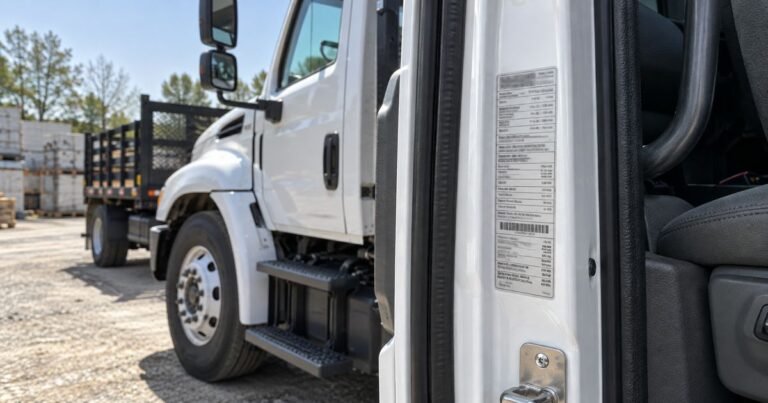
NHTSA defines GVWR as the manufacturer-specified loaded weight of a single vehicle. That rating tells you the maximum loaded vehicle weight the manufacturer has assigned.
Payload is the weight of cargo and other added load the truck can carry without exceeding the applicable limits. If the truck has a liftgate, shelving, tools, driver, passengers, or other equipment, those items use part of the available carrying capacity.
Payload Calculation
A practical estimate is:
Estimated payload = GVWR − actual truck weight before cargo
For example, if a truck has a 19,500-pound GVWR and weighs 12,000 pounds with the driver, fuel, liftgate, and normal equipment, the remaining difference is 7,500 pounds. That does not guarantee you can place all 7,500 pounds anywhere in the cargo box because axle and tire ratings still apply.
GVWR vs Curb Weight vs Payload
| Term | Meaning |
|---|---|
| GVWR | Maximum loaded vehicle weight assigned by manufacturer |
| Curb/empty weight | Truck weight without cargo; definition varies by source |
| Payload | Weight added to the truck within its limits |
| GAWR | Maximum load rating assigned to an axle system |
Why Box Truck Size Is Not Enough
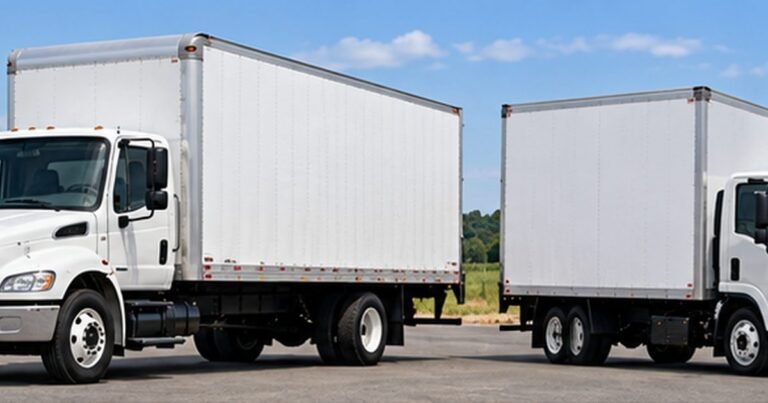
Two 26-foot box trucks can have different payload capacities because they may use different chassis, engines, transmissions, axles, suspension systems, body materials, liftgates, and fuel tanks.
That is why “26-foot truck payload” is not a reliable specification by itself. Read the label on the exact truck and weigh the vehicle if the real empty weight is uncertain.
Axle Ratings Matter
GAWR means Gross Axle Weight Rating. A truck can be below its total GVWR and still overload the front or rear axle if cargo is placed poorly.
Heavy freight concentrated behind the rear axle can overload the rear tires and axle while reducing weight on the steering axle. Uneven loading can also affect braking and handling.
How to Load a Box Truck Safely
- Know the truck’s GVWR and axle ratings.
- Find the actual empty weight when possible.
- Subtract occupants and permanent equipment.
- Place dense cargo low and distribute it across the floor.
- Secure freight so it cannot shift.
- Avoid concentrating heavy items at the extreme rear.
- Use a certified scale if operating near legal or manufacturer limits.
Does a Liftgate Reduce Payload?
Yes. A liftgate adds permanent weight to the truck, which reduces the remaining amount available for cargo. Shelving, refrigeration units, ramps, toolboxes, and auxiliary equipment do the same.
When comparing used trucks, ask for an actual scale weight rather than relying only on the chassis brochure.
Payload and CDL Requirements Are Different Questions
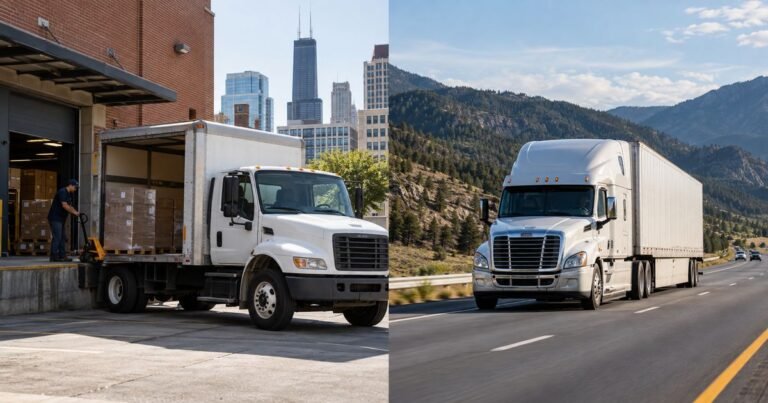
CDL requirements use weight-rating and use thresholds, while payload is about how much the truck can carry without exceeding ratings. A truck can have a high payload but remain below the CDL threshold, or it can require a CDL even when lightly loaded.
See our box truck CDL guide for licensing details.
Official source: NHTSA’s definition and guidance on GVWR and vehicle loading.
Payload Is Not the Same as GVWR
GVWR is the maximum loaded vehicle weight specified by the manufacturer. It includes the truck itself, fuel, driver, passengers, cargo, tools, body equipment, and anything else carried on the vehicle. Payload is the portion of that capacity available after the truck’s actual weight is accounted for.
A simple starting estimate is GVWR minus the truck’s actual ready-to-work weight. For example, if a completed box truck is rated at 26,000 pounds and weighs 15,500 pounds with fuel, driver, liftgate, shelving, and equipment, about 10,500 pounds remains before reaching GVWR. That is only a rough vehicle-level estimate because axle and tire limits still apply.
Why Published Payload Numbers Can Be Misleading
Truck advertisements often show a maximum payload for a chassis configuration. Your finished box truck may carry less after the cargo body, liftgate, refrigeration unit, shelving, hitch, toolboxes, or other upfits are installed.
Used trucks can be even harder to judge because equipment may have been added after the original build. The most reliable approach is to weigh the completed truck in the condition you actually operate it.
Use a Certified Scale for a Real Number
Drive the empty or normally equipped truck onto a certified public scale with a full or typical fuel level, the usual driver, and permanent equipment on board. Record the total weight and, when available, individual axle weights.
Subtract the measured total from GVWR to estimate remaining vehicle capacity. Then compare the front and rear axle readings with the GAWR values on the certification label. Staying below total GVWR does not make an overloaded axle acceptable.
Axle and Tire Ratings Can Limit You First
Cargo placed too far behind the rear axle can overload the rear axle even when the truck remains below its overall GVWR. Heavy freight concentrated near the front of the box can create the opposite problem.
Tires also have load ratings. The lowest applicable rating in the system matters, so a safe loading check includes GVWR, GAWR, tire capacity, and any body or liftgate limits. A scale ticket is especially useful when you regularly haul dense freight.
Passengers, Fuel, and Equipment Count Too
Payload is not just the boxes or pallets in the cargo area. A second worker, hand truck, pallet jack, straps, spare parts, tools, and fuel all add weight. Refrigerated trucks can lose a meaningful amount of available payload to the refrigeration equipment and insulated body.
If you operate close to the truck’s limit, build a normal equipment allowance into every load plan rather than treating those items as weight-free.
Weight Distribution Matters for Handling
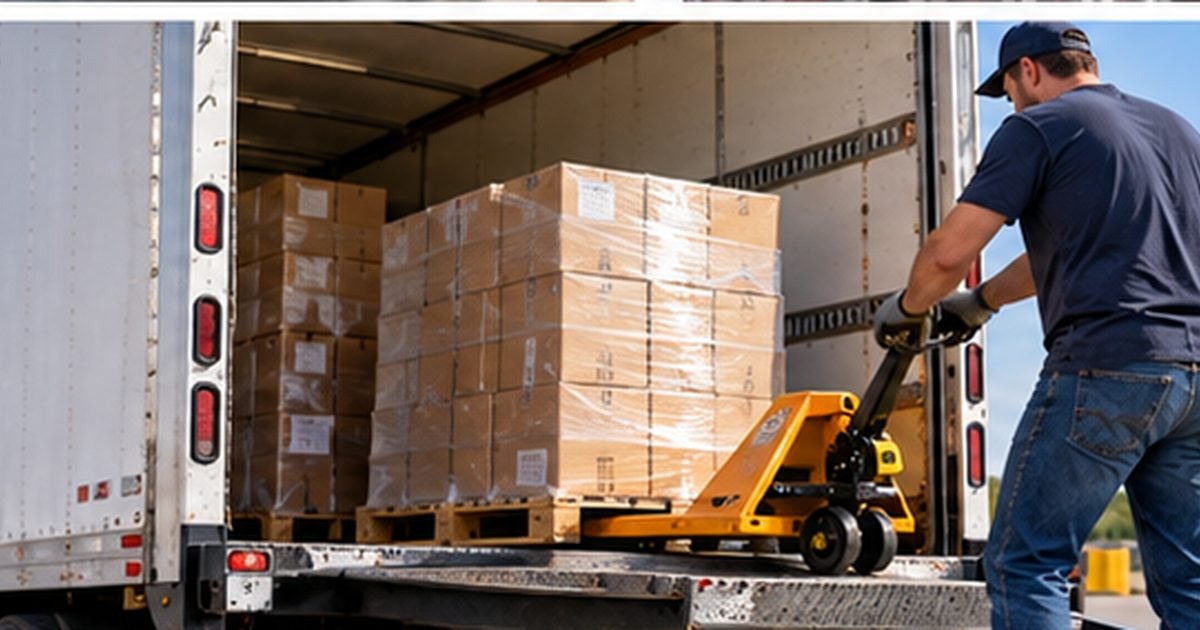
A properly loaded box truck should keep heavy items low and secured against movement. Spread dense cargo so one axle is not carrying a disproportionate share of the load. Follow the body manufacturer’s cargo-control points and use appropriate straps, bars, or other securement equipment.
Poor distribution can affect braking, steering, tire loading, and stability. It can also make the truck feel very different during turns or emergency maneuvers even before the overall GVWR is exceeded.
A Practical Loading Routine
- Check the truck’s GVWR and front and rear GAWR labels.
- Know the truck’s real operating weight from a scale when possible.
- Estimate the cargo, passenger, fuel, and equipment weight.
- Load dense items low and distribute them with axle limits in mind.
- Secure the cargo so it cannot shift.
- Reweigh when carrying an unusually heavy or unfamiliar load.
The safest answer to “how much can my box truck carry?” comes from the specific truck, not an internet average. A 16-foot or 26-foot body length does not tell you the legal payload on its own.
Do Not Use Body Length as a Payload Shortcut
A 26-foot truck is not automatically a heavier-capacity truck than a shorter model. Chassis rating, body construction, wheelbase, liftgate, and upfit equipment all change usable payload. Compare the certification label and a real scale weight for the exact vehicle you are loading.
FAQs: How Much Weight Can a Box Truck Carry?
Q. Can I calculate payload from GVWR?
A. You can estimate payload by subtracting actual truck weight from GVWR. You must also stay within axle, tire, and other component limits.
Q. Does the driver count toward payload?
A. The driver and passengers add to the truck’s actual loaded weight, so they reduce the amount available for cargo.
Q. Is overloading dangerous?
A. Yes. Excess weight can increase stopping distance, overheat tires, overload axles, reduce stability, and violate weight laws or manufacturer limits.
Conclusion
To answer how much weight can a box truck carry, use the exact truck’s GVWR, actual empty weight, axle ratings, and installed equipment. Do not choose a payload number from body length alone.
Disclaimer: This article provides general educational information. Always follow the vehicle certification labels, tire ratings, manufacturer documentation, and applicable weight laws.