Local vs OTR Truck Driving: Which Career Fits You?

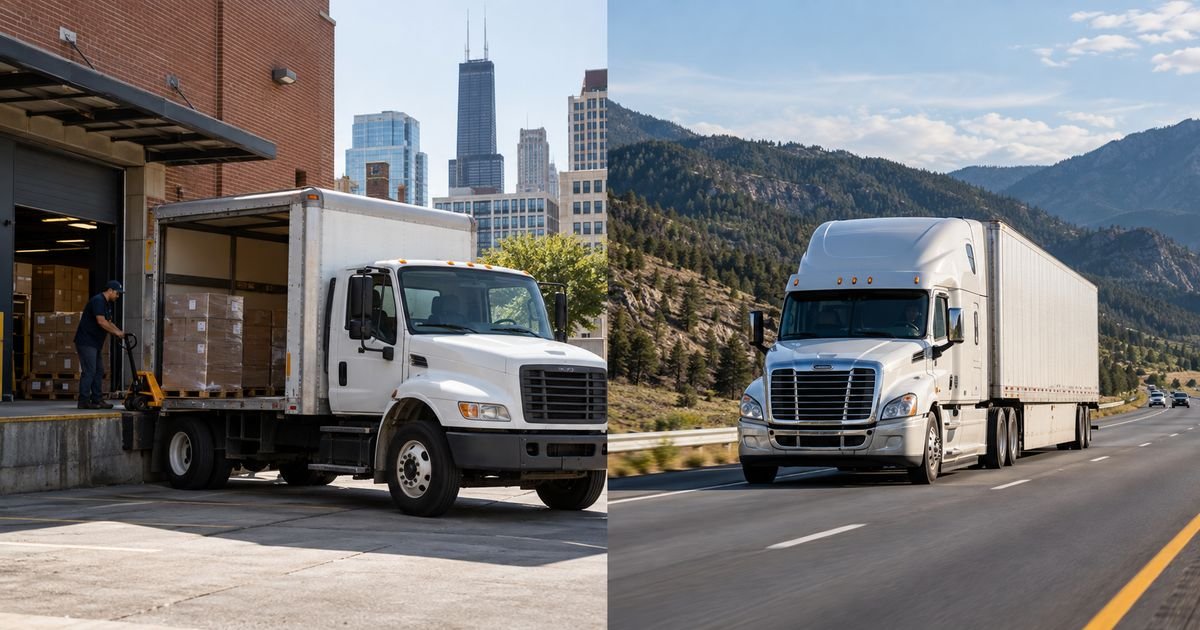
Local vs OTR truck driving is mostly a choice between home time and route lifestyle. Local drivers usually return home daily or frequently, while over-the-road drivers can spend days or weeks traveling across multiple states.
Neither career is automatically better. The right fit depends on schedule, family needs, income structure, physical workload, and the kind of driving you enjoy.
Local vs OTR Truck Driving
| Factor | Local | OTR |
|---|---|---|
| Home time | Often daily | Can be days or weeks away |
| Route area | City or regional | Multi-state |
| Stops | Often frequent | Fewer, longer runs |
| Physical work | Can be higher | Varies by freight type |
| Sleep | Usually home | Often sleeper berth |
Home Time
Local work is attractive to drivers who want regular evenings at home. Some routes start very early, work nights, or include weekends, but drivers usually stay near the terminal.
OTR schedules can require extended time away, followed by blocks of home time depending on the carrier.
Driving Environment
Local drivers often deal with city traffic, tight docks, repeated backing, customer locations, and many stops.
OTR drivers spend more time on highways, but they also face unfamiliar cities, weather, mountain routes, parking shortages, and longer daily distances.
Pay Structure
Local jobs may pay hourly, daily, by route, or by stop. OTR jobs often use mileage-based pay, although compensation models vary widely.
Compare total weekly compensation, benefits, unpaid time, detention, loading duties, bonuses, and expected hours rather than focusing on one advertised number.
Physical Work
Some local jobs involve frequent loading, unloading, hand trucks, ramps, and customer interaction. Food-service and beverage routes can be especially physical.
OTR no-touch freight can involve less manual cargo handling, but sitting for long periods creates its own health and comfort challenges.
Experience Requirements
Some entry-level carriers hire new CDL graduates for regional or OTR training, while many local employers prefer prior experience because of tight delivery environments.
Requirements vary by employer, insurance carrier, freight type, and driving record.
Lifestyle Fit
OTR can suit drivers who enjoy travel, independence, long highway runs, and fewer daily stops. Local work can suit drivers who prioritize routine and regular home life.
Talk to current drivers at the specific carrier because two jobs with the same title can have very different schedules.
If you are entering the field, start with our how to become a truck driver guide.
Regional Driving as a Middle Option
Regional jobs sit between local and OTR work. Drivers may cover several states but return home weekly or several times during the week.
This can be a useful compromise for drivers who want more highway miles than local work provides but do not want to spend multiple weeks away from home.
Pay Structure Can Change the Comparison
An hourly local job may pay for traffic, fueling, inspections, and some waiting time. A mileage-based OTR job can produce strong earnings when the truck is moving but may handle detention or layover time differently.
Compare guaranteed pay, mileage rate, hourly rate, stop pay, detention, layover, bonuses, benefits, and unpaid time. A higher headline rate can be misleading if significant work time is not compensated.
Equipment and Sleeping Arrangements
OTR drivers often live in a sleeper cab for days at a time. Mattress quality, storage, climate control, refrigerator space, inverter capacity, and cab cleanliness can have a major effect on quality of life.
Local drivers may use day cabs or straight trucks and return home after each shift, but frequent entry and exit can make step height, seat comfort, and cab ergonomics important.
Family and Personal Schedule
Home daily does not always mean a traditional schedule. Local jobs can start at midnight, 3 a.m., or late afternoon. Some OTR carriers provide predictable blocks of home time after longer trips.
Compare the actual schedule with family responsibilities, sleep needs, appointments, and personal routines rather than choosing from the words local or OTR alone.
Career Progression
Experience in either environment can lead to specialized work such as tanker, flatbed, hazmat, dedicated routes, private fleets, training, or dispatch-related roles.
Choose a first job that provides safe training, stable equipment, and verifiable experience. Building a clean driving record can matter more to long-term options than maximizing the first year’s pay.
Physical Work Can Be Very Different
Some local jobs involve repeated loading, hand trucks, pallet jacks, stairs, and dozens of stops. OTR dry-van jobs can involve less physical handling but much longer periods of sitting.
Ask exactly who loads and unloads, how many stops are typical, and whether touch freight is required. Job title alone does not reveal the physical workload.
Traffic vs Highway Time
Local drivers may spend much of the day in city traffic, tight docks, construction zones, and residential streets. OTR drivers spend more time at highway speed but face long grades, changing weather, and unfamiliar routes.
Think about which type of stress suits you better. Some drivers prefer repeated short challenges, while others prefer longer steady stretches of driving.
Parking and Overnight Life
OTR drivers need to plan overnight parking, showers, meals, laundry, and rest. Parking shortages can affect route planning and where the workday ends.
Local drivers avoid sleeper-cab living but may commute to terminals at unusual hours. A job that starts at 2 a.m. can still affect family and sleep routines even when you are home daily.
Dedicated Routes
Dedicated positions can offer a middle ground. Drivers may serve the same customer, lane, or group of locations on a predictable schedule, sometimes with regular home time.
These jobs can combine highway mileage with schedule stability, but availability depends on the carrier and account.
Choosing Your First Driving Job
New drivers should prioritize safe training, maintained equipment, realistic dispatch, and a company that explains pay clearly. A slightly lower starting rate can be worthwhile if the job builds strong experience without unsafe pressure.
After six months or a year of clean experience, more local, dedicated, regional, and specialized opportunities may become available.
Benefits Can Change the Best Offer
Compare health insurance, retirement match, paid time off, holiday pay, detention pay, layover pay, bonuses, and equipment quality in addition to the advertised rate. A job that pays slightly less per mile can still produce better total compensation.
Ask how often drivers actually receive the bonus or home-time promise described in recruiting material.
Try to Match the Job to Your Lifestyle
Some drivers value predictable evenings at home more than maximum mileage. Others prefer long highway stretches, fewer stops, and larger blocks of time off after being away.
There is no universal winner between local and OTR. The better choice is the one whose schedule, physical demands, pay structure, and home time match your priorities.
Before accepting an offer, speak with current drivers if possible and compare the actual schedule, equipment, pay statements, and home-time pattern with the recruiter’s description.
If two offers look similar, compare a full week of expected hours and unpaid time rather than only the headline rate. That usually gives a clearer picture of earnings and lifestyle.
Choose the schedule you can sustain long term.
FAQs: Local vs OTR Truck Driving
Q. Do local truck drivers come home every day?
A. Many do, but schedules vary. Some local or regional jobs include overnight runs.
Q. Does OTR always pay more?
A. Not always. Compare total compensation and hours. Some specialized local jobs can pay very competitively.
Q. Which is better for new drivers?
A. It depends on available training employers and your goals. Some new drivers begin OTR to build experience, while others find local entry-level roles.
Conclusion
Choose local driving when predictable home time and familiar routes matter most. Choose OTR when you are comfortable with extended travel and long-distance freight. Evaluate the actual employer and schedule, not only the job label.
Disclaimer: Employment schedules, pay, benefits, and qualifications vary by employer and location. Confirm current job terms directly with the carrier.