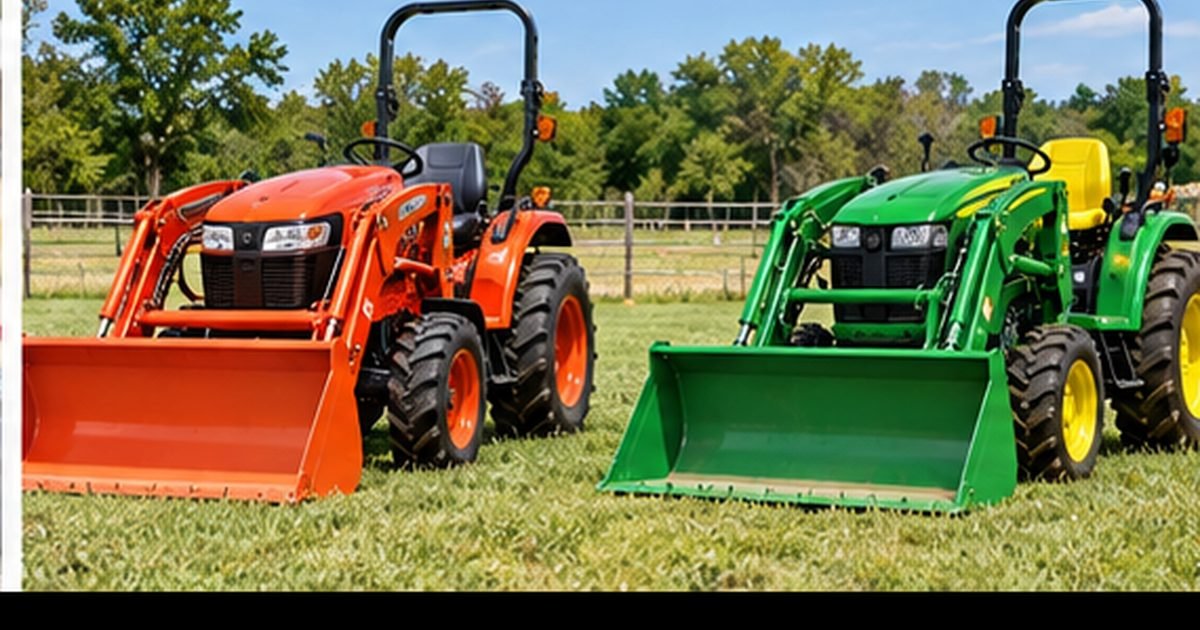
Hydrostatic vs Gear Tractor: Which Is Better?

Hydrostatic vs gear tractor is one of the most important choices when buying a compact tractor. Hydrostatic transmission usually offers easier speed control and convenient forward-reverse changes, while a gear transmission can provide a direct mechanical feel and may suit steady field work well.
Neither is automatically better. The right choice depends on how you use the tractor.
Hydrostatic vs Gear Tractor: Main Difference
A hydrostatic transmission uses hydraulic pressure to vary ground speed. The operator typically controls direction and speed with pedals or a treadle-style control.
A gear transmission uses fixed gear ratios. Depending on the tractor, shifting may require clutch use, stopping, or selecting a range and gear before working.
| Factor | Hydrostatic | Gear |
|---|---|---|
| Speed changes | Very easy | Gear-dependent |
| Forward/reverse | Convenient | Varies by transmission |
| Loader work | Excellent control | Good, but more shifting/clutching on basic gear units |
| Steady field work | Good | Often very suitable |
| Beginner learning curve | Usually easier | More familiar to manual-transmission users |
Why Hydrostatic Is Popular for Loader Work
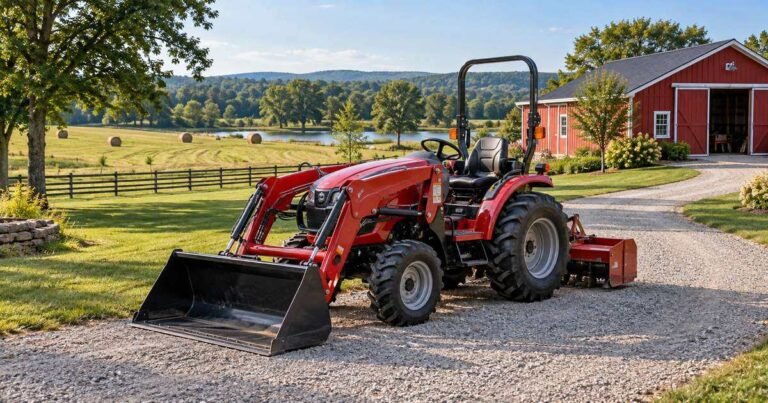
Loader work involves frequent direction and speed changes. Hydrostatic drive makes it easy to creep toward a pile, stop, reverse, and approach a trailer without repeated clutch work.
That fine control is also useful around buildings, landscaping, pallet work, and snow removal.
Why Gear Transmissions Still Make Sense
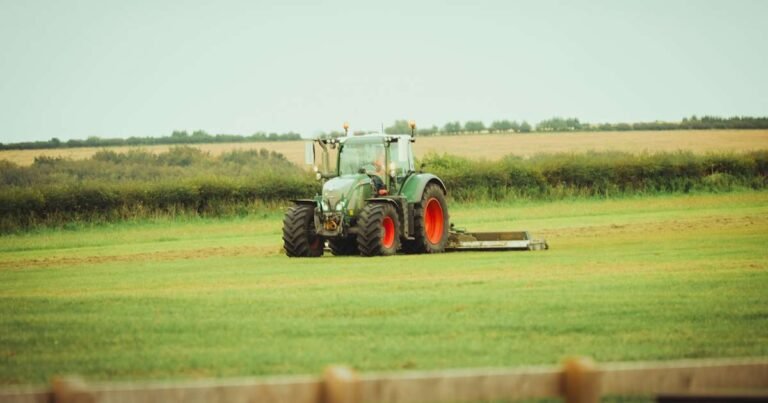
Gear tractors can be simple, durable, and efficient for work where ground speed stays relatively constant. Mowing large open fields, pulling certain implements, and repetitive field tasks can suit a gear transmission well.
Some modern tractors use synchronized, power-reverser, or power-shift designs that reduce the inconvenience associated with older basic gear transmissions.
Mowing
Hydrostatic drive is convenient when mowing around trees, buildings, obstacles, and uneven terrain because ground speed can be adjusted continuously.
For large open areas where the tractor can stay at a steady speed, gear drive can work just as well.
PTO Work
PTO performance depends on tractor design, engine power, and transmission system. Do not assume one transmission type always delivers more usable PTO power.
Compare published PTO horsepower when choosing a tractor for rotary cutters, tillers, snow blowers, or other powered implements.
Maintenance
Both systems require proper fluid and filter service. Hydrostatic systems are especially sensitive to correct hydraulic/transmission fluid and filter maintenance.
A simple gear transmission may have fewer hydraulic-drive components, but clutch wear can become important depending on the design and operator habits.
Which Is Better for Beginners?
Many beginners find hydrostatic tractors easier because operation feels more like an automatic vehicle. That can reduce workload when learning loader controls and attachments.
A gear tractor is not difficult once the operator understands clutch and gear selection. Experienced manual-transmission users may prefer the direct feel.
Test-Drive Both
The best way to decide is to operate both transmission types while simulating your normal jobs. Try forward-reverse changes, low-speed maneuvering, hills, mowing speed, and loader positioning.
If you are still deciding on tractor size, read our tractor sizing guide.
Why Hydrostatic Feels Easier for Frequent Direction Changes
A hydrostatic transmission lets the operator control travel speed and direction without selecting a fixed gear for every change. That makes it especially convenient for loader work, mowing around obstacles, snow removal, and other jobs that involve repeated forward and reverse movement.
The operator can slow the tractor precisely while keeping engine speed where the PTO or hydraulic system needs it. For beginners, this often reduces the amount of clutching and shifting required during close-quarters work.
Why Gear Transmissions Still Make Sense
A gear transmission uses fixed ratios to transfer engine power to the wheels. Once the correct gear is selected, it can be simple and efficient for steady work such as tillage, pulling, field transport, or operating for long periods at a consistent ground speed.
Operators who are comfortable with clutch and gear selection may prefer the direct feel and predictable ratio. Gear models can also be attractive when purchase simplicity and long-term mechanical familiarity matter more than convenience.
Loader Work: Hydrostatic Usually Has the Advantage
Loader work involves constant speed changes, inching toward piles or trailers, and frequent reversing. Hydrostatic drive makes these movements intuitive because the operator can modulate travel with a pedal while keeping hands focused on steering and loader controls.
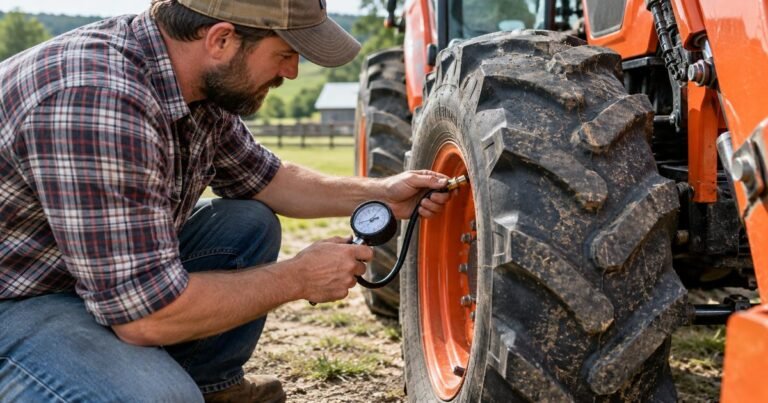
That convenience does not remove the need for proper ballast. A hydrostatic tractor with an overloaded front loader is still unsafe. Follow the loader and tractor manuals for rear ballast, tire pressure, and rated lift limits.
Mowing and PTO Work
Both transmission types can run PTO-driven implements effectively when the tractor has the required PTO horsepower and gearing. Hydrostatic drive can be useful for mowing around trees, buildings, and uneven areas because ground speed can be adjusted without changing engine rpm as often.
For long, open passes at a steady speed, a gear tractor can work just as well. The implement, terrain, and operator preference matter more than assuming one transmission is always better for PTO work.
Hill Work and Ground Speed Control
On slopes, the operator must follow the tractor manufacturer’s instructions regardless of transmission type. Hydrostatic drive can provide fine speed control, but it should not be treated as a substitute for correct gearing, braking technique, ballast, four-wheel drive, or safe slope limits.
A gear tractor requires the operator to choose an appropriate gear before entering a slope. Avoid coasting in neutral or relying on last-second gear changes on steep terrain.
Efficiency and Heat
Hydrostatic systems trade some mechanical efficiency for smooth variable-speed control. Under heavy continuous drawbar loads, that difference can matter more than it does during loader or property-maintenance work.
Hydrostatic oil also carries heat away from the drive system, so keeping the correct fluid level, filter condition, and cooling airflow matters. A gear transmission has different service needs but still depends on the specified lubricants and maintenance intervals.
Maintenance Differences
Both systems can provide long service life when maintained correctly. Hydrostatic tractors rely heavily on clean hydraulic or transmission fluid and the correct filters. Gear tractors may have clutch adjustments or clutch wear to consider, depending on the design.
Do not choose a transmission based on the idea that one type never needs repair. Service history, operator habits, fluid specifications, workload, and model design all influence long-term reliability.
Which Transmission Fits Different Owners?
- First-time property owner: hydrostatic is often easier to learn.
- Frequent loader user: hydrostatic usually offers faster direction changes.
- Long steady field work: gear can be a strong choice.
- Mowing around obstacles: hydrostatic offers easy speed control.
- Budget-focused used buyer: condition and service history should come before transmission type.
Test Both Before You Buy
A specification sheet cannot tell you which control layout will feel natural. Test drive both transmission types if possible. Try forward-reverse changes, low-speed maneuvering, a hill if the dealer allows it, and the type of loader or mowing operation you expect to perform.
The better transmission is the one that matches your most frequent jobs, terrain, experience, and maintenance preferences. For many compact-tractor owners, that is hydrostatic. For steady pulling and operators who prefer fixed ratios, gear remains a practical option.
FAQs: Hydrostatic vs Gear Tractor
Q. Is hydrostatic better for loader work?
A. It is often preferred because direction and speed changes are easy and precise.
Q. Is gear drive better for pulling?
A. Gear transmissions can be well suited to steady pulling work, but traction, tractor weight, gearing, tires, and engine power also matter.
Q. Which costs more?
A. Pricing varies by model and trim. Compare actual tractor configurations instead of assuming the transmission alone determines cost.
Conclusion
In a hydrostatic vs gear tractor decision, choose hydrostatic for frequent speed and direction changes, especially loader and property work. Consider gear drive for simple, steady tasks and a more mechanical operating feel.
Disclaimer: Transmission features vary by tractor. Review the operator manual and manufacturer specifications for the exact model before buying or operating.