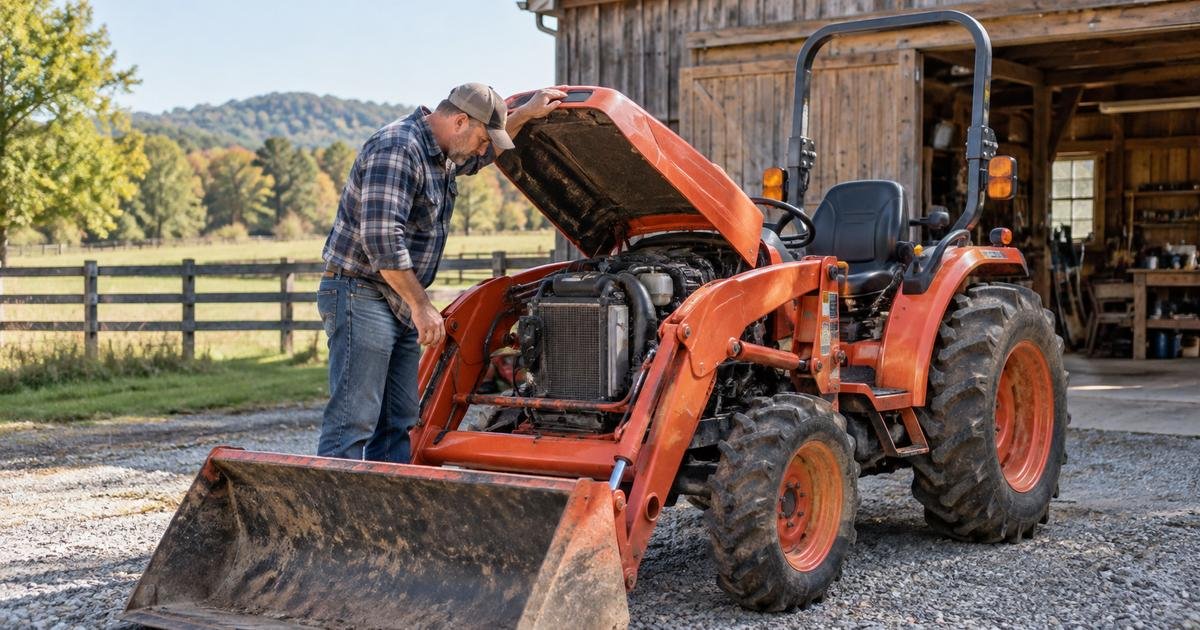
How Many Hours Is Too Many on a Used Tractor?

How many hours is too many on a used tractor? There is no single cutoff that makes a tractor bad. Engine hours matter, but service history, workload, storage, model reputation, and current mechanical condition usually matter more.
A low-hour tractor can be neglected, while a higher-hour machine can remain dependable if it was maintained correctly and used within its limits. The best buying decision comes from combining hour-meter data with a careful inspection.
How Many Hours Is Too Many on a Used Tractor?
Tractor hours are not the same as miles on a car. One hour of idling is very different from one hour of loader work, tillage, or heavy PTO use.
Maintenance History Matters Most
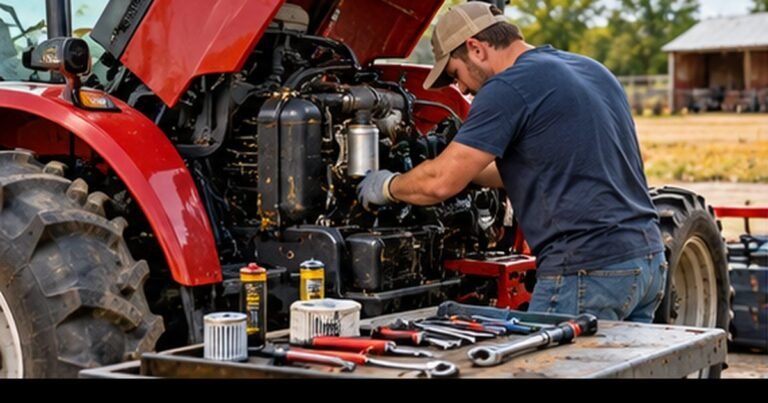
Ask for records showing engine oil changes, filters, hydraulic service, coolant maintenance, greasing, and repairs. A tractor with documented service is easier to evaluate than one with an unknown history.
Check whether intervals were followed consistently rather than only before sale.
Loader Use Can Accelerate Wear
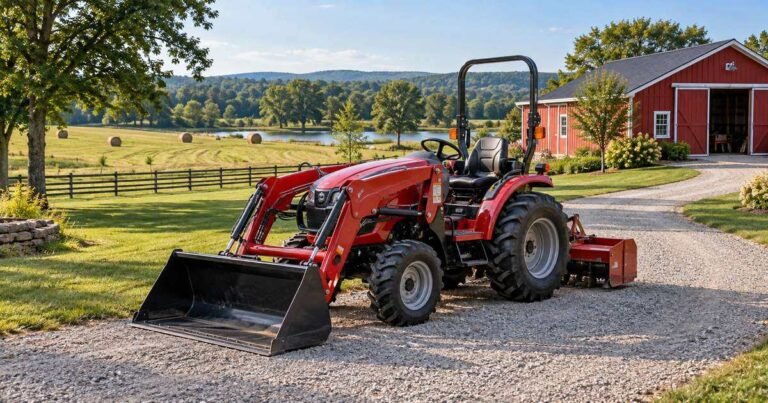
Front-loader work places stress on the front axle, steering, loader pins, bushings, hydraulic cylinders, and frame mounts. A tractor with moderate hours but years of heavy loader work can show more wear than a higher-hour mower tractor.
Inspect loader pivot points for play, worn pins, cracked welds, bent brackets, and hydraulic leaks.
Cold Start Tells You a Lot
Ask the seller not to warm the tractor before you arrive. A cold start can reveal weak batteries, glow-plug problems, hard starting, excessive smoke, or unusual engine noises.
Watch warning lights and gauges after startup and let the tractor reach operating temperature before making a decision.
Check Hydraulics and PTO
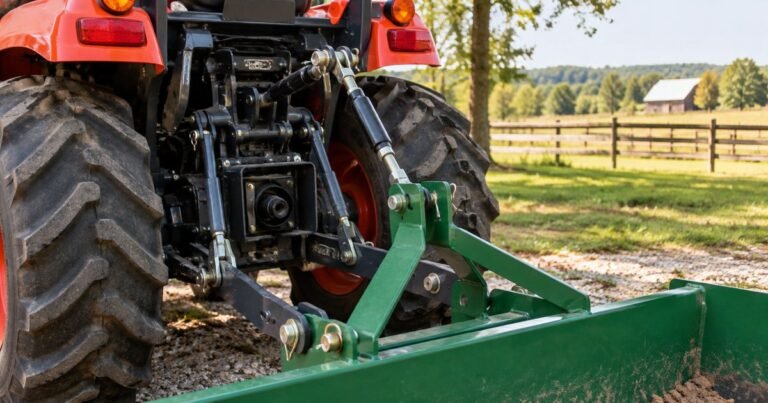
Operate the loader, three-point hitch, hydraulic remotes, and PTO. Slow, jerky, noisy, or weak operation can indicate maintenance needs or deeper system wear.
Raise an implement or loader and watch for rapid drift. Some drift can be normal, but severe drop should be investigated.
Look for Hour-Meter Clues
Compare the displayed hours with wear on pedals, seat, steering wheel, tires, loader pins, control levers, and paint. A very low-hour reading on a heavily worn machine deserves questions.
Older hour meters can fail or be replaced, so invoices and maintenance notes become more valuable with age.
Storage Conditions Matter
A tractor stored indoors is usually better protected from UV damage, water intrusion, corrosion, and weathered electrical connectors. Outdoor storage does not automatically make a tractor bad, but it increases the number of areas you should inspect.
Look closely at seat condition, hydraulic hoses, wiring, tire sidewalls, dash plastics, and paint around seams.
Parts Support Can Be More Important Than Hours
A well-known model with strong dealer and aftermarket support can be easier to own than a low-hour orphaned model with hard-to-find parts.
Before buying, check filters, seals, belts, clutch parts, hydraulic components, and common wear items for availability.
Used Tractor Inspection Checklist
- Inspect the tractor cold.
- Review service records.
- Check engine, hydraulic, coolant, and transmission fluids.
- Operate every gear or hydro range.
- Test PTO and three-point hitch.
- Inspect loader pins and front axle.
- Check tires, rims, and steering play.
- Verify serial number and ownership.
- Price expected repairs before negotiating.
Also read our new vs used tractor guide before comparing prices.
Transmission Type Changes What You Should Inspect
On a gear tractor, check clutch engagement, synchronizers, shuttle operation, and whether the tractor stays in gear under load. Excessive clutch travel, grinding, slipping, or jumping out of gear can point to expensive repairs.
On a hydrostatic tractor, listen for unusual whine, test every range, and confirm smooth forward and reverse response after the oil is warm. Weak performance when hot can be more meaningful than a short cold test.
Emissions Equipment on Newer Used Tractors
Newer diesel tractors may use a diesel particulate filter, diesel oxidation catalyst, selective catalytic reduction, or other emissions equipment. These systems can add maintenance and diagnostic complexity compared with older mechanical tractors.
Ask whether regeneration problems, warning lights, sensors, or aftertreatment components have been repaired. A tractor that is constantly used at low load may also have a different emissions history from one that regularly reaches operating temperature.
Tires Can Change the Real Purchase Price
Large tractor tires can be expensive. Cracked sidewalls, worn lugs, weather checking, mismatched brands, or damaged rims should be part of your price calculation.
Also check whether the tires are ballasted. Liquid-filled tires add weight and may complicate repair. If the tractor needs a full set of tires soon, a seemingly cheap purchase can become expensive quickly.
Look Closely at the Front Axle
Four-wheel-drive compact tractors often spend much of their lives doing loader work. Inspect front axle seals, steering joints, tie rods, hubs, and wheel bearings for leaks or play.
A seller may clean leaked oil before showing the tractor. Look for damp dust, recently washed areas, or fresh paint around seals and housings.
Hydraulic Fluid Can Reveal Neglect
Milky hydraulic fluid can indicate water contamination. Burnt smell, dark fluid, metal debris, or neglected filters may point to poor maintenance.
Do not open hot or pressurized systems. Check fluids using the manufacturer procedure, and consider a professional fluid analysis on expensive equipment.
Compare Price With Expected Repairs
Before negotiating, write down likely repairs and parts. Tires, battery, loader pins, hydraulic hoses, seat, lights, filters, and scheduled service can add up quickly.
A higher-priced tractor with strong records and recent maintenance can be cheaper to own than a bargain tractor that immediately needs several thousand dollars of work.
Ask Why the Tractor Is Being Sold
The seller’s reason is not proof of condition, but it can provide useful context. A tractor being replaced by a larger machine may have a straightforward history, while a tractor sold immediately after repeated warning lights or major repairs deserves more investigation.
Ask what jobs the tractor performed, who serviced it, where it was stored, and which repairs were completed recently. Specific answers and records are more useful than general statements such as “runs great.”
Check Attachment Wear Too
A package price may include a loader, mower, backhoe, or other implements. Inspect those items separately. Gearbox leaks, bent decks, worn blades, loose spindles, cracked welds, hydraulic leaks, and damaged PTO shafts can create additional costs.
Attachments can add strong value when they are tools you actually need. They add little value if they are worn out or unsuitable for your property.
Service Records Are More Valuable Than a Clean Paint Job
Fresh paint and detailing can make an old tractor look impressive, but they do not tell you how often fluids were changed or whether the tractor overheated, ran low on oil, or carried heavy loads.
Invoices, dated filter receipts, dealer records, and notes showing engine hours at service are much stronger evidence. A machine with honest cosmetic wear and detailed records can be a safer purchase than a polished tractor with no history.
Do Not Ignore Small Electrical Problems
Lights, gauges, safety switches, charging systems, and sensors are easy to overlook during a short test drive. Small electrical issues can become frustrating once the tractor is home.
Test every switch and indicator. On newer tractors, confirm the instrument panel shows no active warnings and that the seller can explain any stored or recent diagnostic codes.
FAQs: Used Tractor Hours
Q. Is 2,000 hours high for a tractor?
A. It depends on model, maintenance, and workload. Many well-maintained tractors remain useful well beyond that, while neglected machines can fail much earlier.
Q. Is a low-hour older tractor always better?
A. No. Long storage can create seal, fuel, battery, corrosion, and tire problems.
Q. Should I get a pre-purchase inspection?
A. For an expensive tractor or one with uncertain history, a qualified inspection can be worthwhile.
Conclusion
There is no universal number for how many hours are too many on a used tractor. Buy based on condition, maintenance, workload, parts support, and inspection findings, with hours used as supporting evidence.
Disclaimer: This article provides general educational information. Used equipment condition varies, and a qualified inspection may be appropriate before purchase.