Tractor Horsepower vs PTO Horsepower Explained

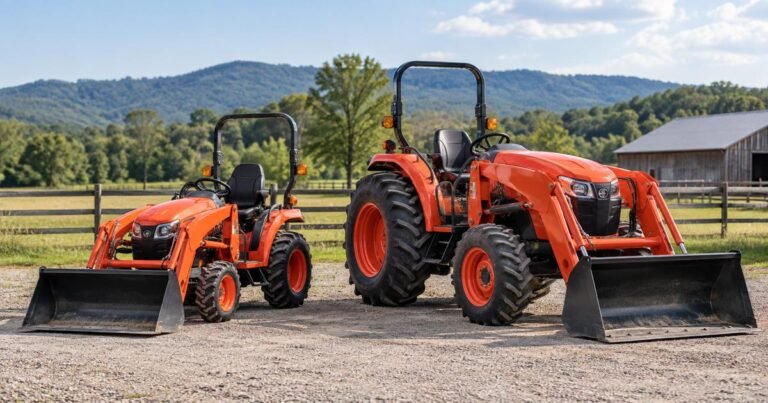
Tractor horsepower vs PTO horsepower compares the engine’s overall rated output with the power available at the power take-off shaft for implements. PTO horsepower is especially important when matching rotary cutters, tillers, snow blowers, balers, and other powered equipment.
A tractor advertised with 30 engine horsepower will usually provide less than 30 horsepower at the PTO because power is consumed or lost through drivetrain and accessory systems.
Tractor Horsepower vs PTO Horsepower
What Is Engine Horsepower?
Engine horsepower is a broad measure of engine output under a defined test method. It is often the headline number manufacturers use when describing tractor size.
That number does not tell you exactly how much power reaches the PTO, wheels, drawbar, or hydraulic system.
What Is PTO Horsepower?
PTO horsepower is measured at the power take-off. It tells you how much power is available to run PTO-driven implements.
If an implement requires 25 PTO horsepower, compare that number with the tractor’s published PTO rating, not only the engine rating.
Why PTO Horsepower Is Lower
Some engine power is used by transmission components, hydraulic pumps, cooling fans, alternators, and other systems before it reaches the PTO shaft.
The exact difference varies by tractor design, transmission, test method, and operating condition.
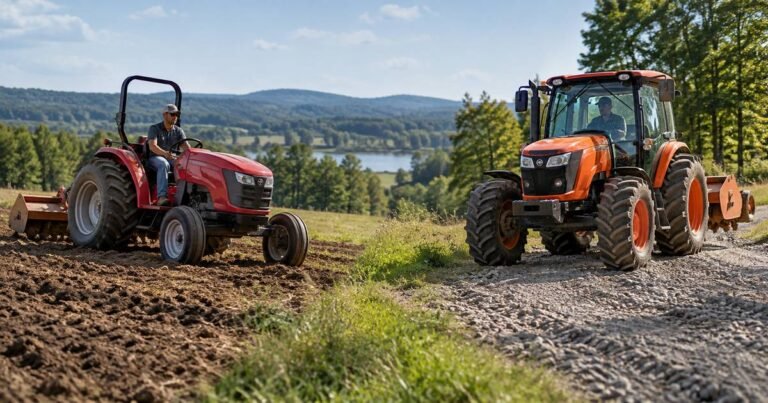
Matching Rotary Cutters
Rotary cutter manufacturers typically publish a recommended tractor PTO horsepower range. Staying within that range helps protect the driveline and ensures the cutter can maintain blade speed in normal material.
A cutter that is too large can overload the tractor. A tractor with far more power than the implement is designed for can damage the implement if operated aggressively.
Matching Tillers and Snow Blowers
Tillers can place sustained load on the PTO, especially in hard soil. Snow blowers can also demand significant power in wet, heavy snow.
Use the implement’s horsepower range and width recommendation, then consider tractor weight, traction, and operating speed.
PTO Speed Matters Too
Many compact tractors use a 540-rpm rear PTO. Larger equipment may use different speeds and shaft configurations.
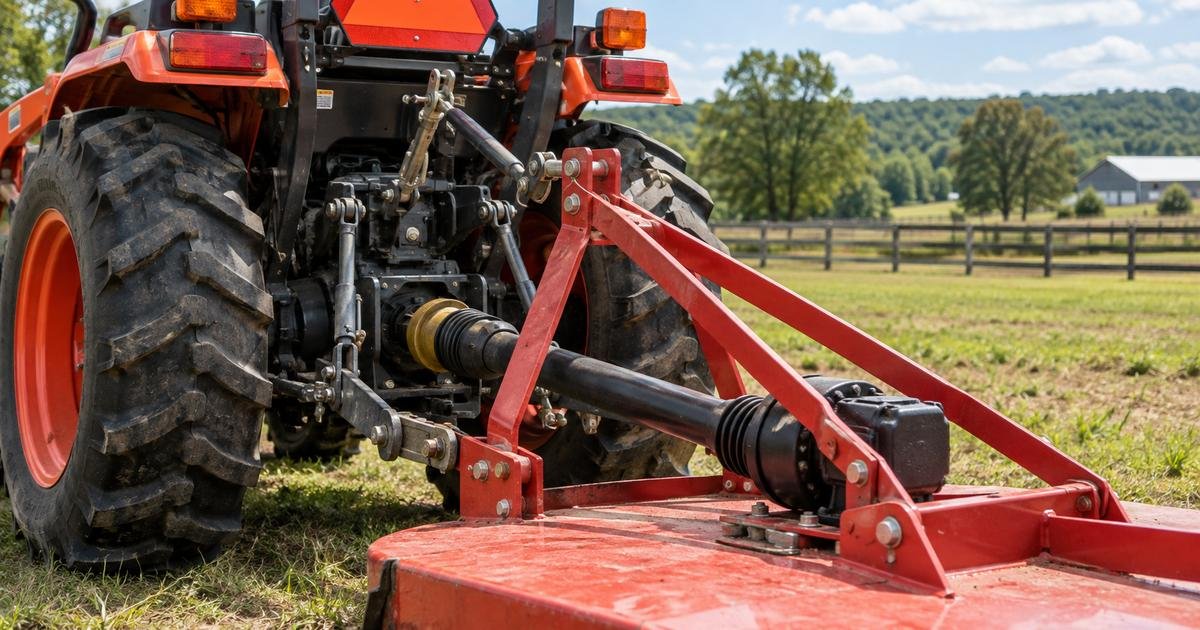
Never assume PTO compatibility from horsepower alone. Verify speed, shaft size, driveline length, hitch geometry, and implement guarding.
Horsepower Is Only Part of Tractor Capability
Weight, gearing, tire traction, hydraulic flow, loader capacity, and implement geometry can matter as much as engine power.
A heavier tractor with slightly less horsepower may outperform a lighter machine in some pulling or loader jobs because it can put power to the ground more effectively.
Quick Matching Checklist
- Check engine horsepower.
- Check published PTO horsepower.
- Read the implement PTO requirement.
- Verify PTO speed and shaft type.
- Confirm hitch category and driveline length.
- Stay within the implement’s recommended power range.
If you are choosing an overall tractor size, see our tractor sizing guide.
Drawbar Horsepower Is Different Again
Some agricultural tractor tests also report drawbar horsepower, which measures usable pulling power at the drawbar. Drawbar power is normally lower than engine horsepower because traction and drivetrain losses reduce the amount available for pulling.
Compact-tractor buyers rarely need to calculate drawbar horsepower directly, but understanding the concept explains why tractor weight, tires, and soil conditions affect pulling performance so much.
Hydraulic Horsepower Is Not PTO Horsepower
Hydraulic attachments depend on flow and pressure, not simply PTO horsepower. A tractor can have adequate engine power but insufficient hydraulic flow for a demanding attachment.
When shopping for a hydraulic implement, check gallons per minute, pressure, required remote valves, and whether the listed flow is total hydraulic flow or implement-available flow.
Example: Choosing a Rotary Cutter
Suppose a cutter manufacturer recommends 25 to 40 PTO horsepower. A tractor advertised at 28 engine horsepower may deliver less than 25 PTO horsepower and therefore fall below the cutter’s recommended range.
A larger tractor with 35 engine horsepower and around 30 PTO horsepower may be the more appropriate match. The exact decision still depends on cutter width, tractor weight, terrain, and manufacturer guidance.
Nebraska Tractor Tests and Published Data
For many agricultural tractors, independent Nebraska Tractor Test Laboratory reports provide standardized performance data. These reports can help buyers compare power measured under controlled test conditions rather than relying only on marketing claims.
Compact tractors are not always covered by the same testing program, so manufacturer specifications remain the main reference for many smaller models.
Transmission Type Can Affect PTO Output
Two tractors with the same engine horsepower can publish different PTO horsepower because their transmissions and accessory systems use power differently. Hydrostatic transmissions may show different PTO losses from simple mechanical gear transmissions.
This does not mean one transmission is always better. It means PTO-driven work should be matched to the published PTO rating rather than assumptions about engine size.
Why Advertised Horsepower Can Be Confusing
Manufacturers may advertise gross engine horsepower, net horsepower, rated horsepower, or another standardized value. These figures can use different test conditions.
When comparing tractors, use the same type of rating where possible and read the footnotes in the specification sheet.
PTO Horsepower and Mower Width
A wider mower covers more ground but also processes more material. Thick grass, brush, and high travel speed increase the load on the PTO.
Do not choose mower width from acreage alone. Match it to the tractor’s PTO horsepower, weight, terrain, and the density of the material you normally cut.
PTO Horsepower and Tillage
Rotary tillers and powered soil tools can create sustained load. Hard clay, roots, rocks, and deep working depth can push a tractor harder than light garden soil.
If the tractor frequently bogs down, reducing travel speed or working depth may be safer than assuming more throttle will solve the problem.
Safety Around PTO Equipment
Powerful rotating shafts and drivelines can cause severe injury. Keep guards in place, avoid loose clothing, and shut the tractor down before approaching or servicing the driveline.
Horsepower matching is important, but safe shielding and operating practice are equally important parts of using PTO equipment.
Why Tractor Weight Still Matters
Horsepower does not tell you how well a tractor can put power to the ground. A very light tractor may spin its tires before the engine reaches its full potential, especially during pulling work.
Weight, tire type, ballast, and four-wheel drive all affect usable traction. This is why two tractors with similar horsepower can feel very different with a box blade, plow, or heavy trailer.
Engine Speed and Rated PTO Speed
Many PTO implements are designed to operate at a standard PTO speed such as 540 rpm. The tractor reaches that PTO speed at a specific engine rpm shown on the tachometer or in the operator manual.
Running far below rated PTO speed can reduce implement performance, while overspeeding can damage equipment. Follow the tractor and implement manuals rather than judging only by engine sound.
Buying With Future Implements in Mind
If you expect to add a larger cutter, snow blower, tiller, or chipper later, leave some PTO-power margin. Buying a tractor that barely meets today’s smallest implement can limit future attachment choices.
That margin should still be reasonable. Oversizing the tractor far beyond the property and attachment needs increases cost, weight, and storage requirements without improving every job.
FAQs: Tractor Horsepower vs PTO Horsepower
Q. Is PTO horsepower always lower than engine horsepower?
A. Typically yes, because some engine power is used before it reaches the PTO.
Q. Which horsepower matters for a rotary cutter?
A. Use the cutter manufacturer’s PTO horsepower requirement.
Q. Can too much tractor power damage an implement?
A. Yes. If the tractor exceeds the implement’s intended power range, driveline and gearbox damage can occur.
Conclusion
Use engine horsepower for a broad tractor rating and PTO horsepower when matching powered implements. Always verify the exact manufacturer specifications for both tractor and attachment.
Disclaimer: Specifications and test methods vary by manufacturer. Follow the tractor and implement manuals for PTO limits and safe operation.