R1 vs R4 vs R14 Tractor Tires: Which Is Best?

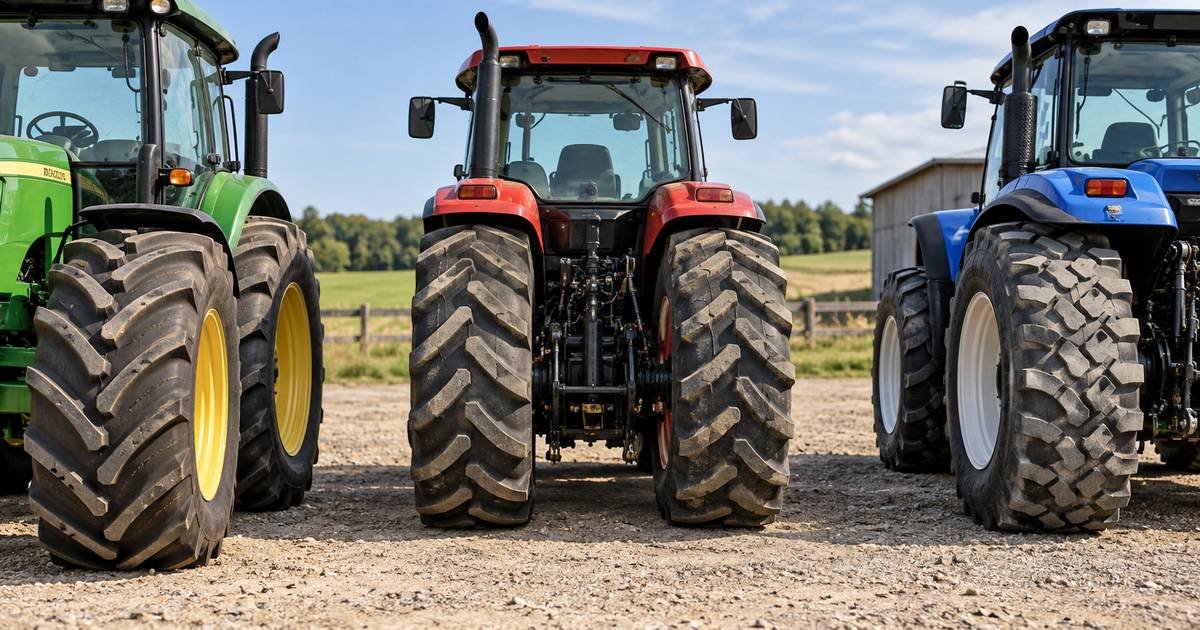
R1 vs R4 vs R14 tractor tires is a tradeoff between maximum field traction, durability on hard surfaces, turf protection, and all-purpose performance.
R1 agricultural tires are aggressive, R4 industrial tires are durable and popular for loader work, and R14-style hybrid tires aim to combine useful features of both.
R1 vs R4 vs R14 Tractor Tires
R1 Agricultural Tires
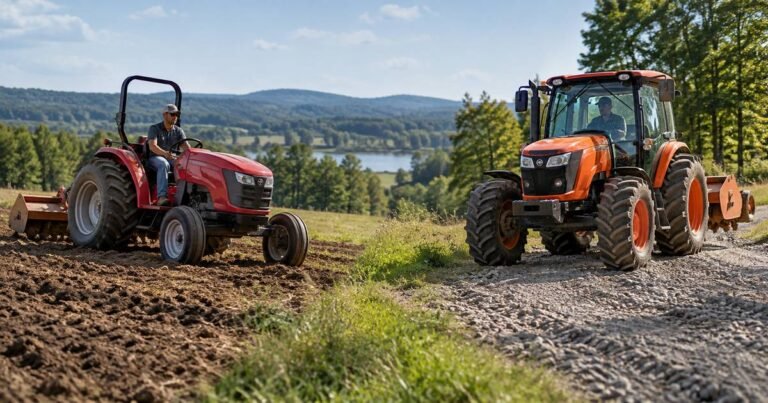
R1 tires use deep angled lugs designed to bite into soil. They are strong performers in mud, loose dirt, tilled fields, and pulling applications.
The tradeoff is more vibration on hard surfaces and greater potential for lawn damage, especially when the ground is soft.
R4 Industrial Tires
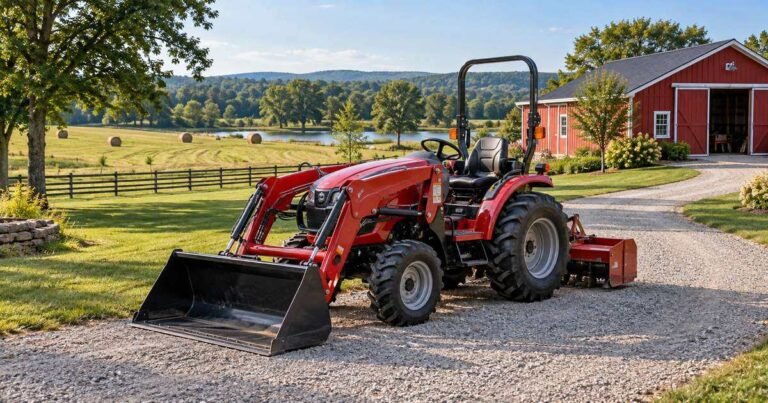
R4 tires use a less aggressive, heavier tread often favored for loaders, construction-style work, gravel, and mixed property surfaces.
They generally wear better on hard surfaces than deep agricultural lugs, but they can give up traction in deep mud or loose soil.
R14 Hybrid Tires
R14-style tires blend ideas from agricultural, industrial, and turf tread patterns. They are designed as an all-purpose compromise for compact tractors.
Performance varies by manufacturer, tire size, inflation, soil, and tractor weight, so the category name alone does not guarantee identical behavior.
Best Tire for Loader Work
R4 and many hybrid designs are popular for loader work because of tread durability and load characteristics. Tire load rating and inflation matter as much as tread style.
Front tires carry significantly more load when a bucket or pallet forks are full, so check the exact tire rating.
Best Tire for Lawn and Turf
All three can mark soft turf when the tractor is heavy or the ground is wet. R1 usually has the most aggressive lug pattern.
If finished lawn protection is your highest priority, dedicated turf tires may still be better than R1, R4, or R14 designs.
Snow and Mud
R1 often performs strongly in soft soil and mud. Snow performance depends on tread, rubber compound, chains, ballast, snow type, and whether the surface is packed or loose.
Do not choose from one owner’s experience on a different tractor and surface.
Buying Checklist
- Identify your main surface.
- Consider loader use and tire load rating.
- Evaluate lawn sensitivity.
- Think about mud and winter work.
- Compare replacement cost and availability.
- Confirm approved tire sizes and rolling circumference.
Also read our tractor tire pressure guide.
How Tire Choice Affects Soil Compaction
Soil compaction depends on tractor weight, axle load, tire footprint, inflation, and soil moisture. A wider or properly inflated tire can spread load over a larger area, while a heavy tractor on narrow or overinflated tires can concentrate pressure.
If you work in gardens, food plots, or soft fields, pay attention to both tread and footprint. Aggressive traction is useful, but avoiding unnecessary passes on wet soil can matter even more.
Road Wear and Hard Surfaces
Deep R1 lugs can wear faster and vibrate more on pavement than industrial-style tread. R4 tires are often chosen by loader owners who spend significant time on gravel, concrete, or compacted surfaces.
Hybrid R14 designs attempt to balance those demands, but tread patterns differ by manufacturer. Look at the actual tire rather than relying only on the category name.
Chains and Winter Traction
Tire chains can transform winter performance on ice and packed snow. Clearance around fenders, steering components, and hoses must be checked before installation.
Ballast also affects winter traction. Rear ballast can help when a front snow blower or blade shifts weight forward, while wheel weights or liquid ballast can improve tire contact without adding hitch length.
Replacement and Availability
Before choosing an unusual tire size or tread, check local availability and replacement cost. A tractor that depends on a hard-to-find tire can be sidelined longer after damage.
On four-wheel-drive tractors, front and rear rolling circumference must remain compatible. Replacing only one axle with a significantly different tire can create driveline problems.
R1W and Other Agricultural Variations
Not every agricultural tire labeled for field work is identical. Some deeper-lug designs are marketed for additional traction or wear life, while tread angle and bar shape vary among manufacturers.
Compare the actual tread pattern, lug depth, carcass construction, and recommended use rather than assuming every R1-style tire behaves the same.
Lawn Damage and Turning
Aggressive tread can tear turf during tight turns, especially when soil is wet. Tractor weight and steering angle often contribute as much to lawn damage as the tire category.
If protecting finished lawn is important, use wider turns, avoid mowing when the soil is saturated, and consider turf or less aggressive hybrid tires.
Loader Stability and Sidewall Construction
Loader users often prefer tires with durable carcasses and good lateral stability. Industrial-style tires are popular partly because they tolerate hard surfaces and loader work well.
That does not mean any R4 tire automatically has more usable capacity. Check the exact tire’s load rating, inflation table, and tractor manufacturer recommendations.
Mud Performance
Deep, open agricultural lugs generally clear mud better than blockier industrial tread. In sticky soil, a tire that packs solid with mud can lose traction quickly.
Four-wheel drive, ballast, tire pressure, and operator technique also affect whether the tractor keeps moving. Tire category is important, but it is not the only factor.
Cost per Hour
A tire that costs more initially may still be economical if it lasts longer on the surfaces you use most. Frequent pavement travel can wear aggressive field lugs faster, while an industrial tread may last well on gravel and concrete.
Choose based on the full mix of surfaces, not the single toughest condition you encounter once or twice a year.
What About Turf Tires?
Turf tires use a much less aggressive tread designed to reduce lawn damage. They are common on mowing-focused tractors and can work well on dry ground.
The tradeoff is reduced traction in mud, deep snow, and loose soil. Owners who spend most of their time on finished lawn may prefer turf tires even though they are outside the R1, R4, and R14 comparison.
Dealer Availability Matters
Some tractor models offer several factory tire packages, while others have limited approved combinations. Ask what sizes are supported and whether matching replacement fronts and rears are readily available.
A locally stocked tire can reduce downtime compared with a special-order size that takes weeks to arrive.
Use Pattern Should Drive the Choice
Choose R1 when maximum field traction is the priority, R4 when loader work and hard-surface durability dominate, and R14 when you want a compromise across mixed property conditions.
That summary is only a starting point. Compare the exact tire’s load rating, carcass, size, and tread because manufacturer designs can differ within the same general category.
Test Before Replacing a Full Set
If you are unsure whether your current tires are really the problem, first check pressure, ballast, four-wheel-drive use, and operating technique. Changing tread type can be expensive, and a traction issue caused by incorrect inflation or poor ballast may remain after new tires are installed.
Before ordering replacements, confirm both size and approved front-to-rear pairing for your exact tractor model.
FAQs: R1 vs R4 vs R14 Tractor Tires
Q. Which tire is best for mud?
A. R1 agricultural tread is often strongest in soft soil and mud because of its deep lugs.
Q. Which is best for loader work?
A. R4 and hybrid tires are popular, but load rating, inflation, ballast, and surface conditions matter.
Q. Do R14 tires protect lawns?
A. They may be less aggressive than R1 tires, but tractor weight and wet ground can still damage turf.
Conclusion
Choose R1 for maximum agricultural traction, R4 for durable mixed hard-surface and loader work, and R14 when you want an all-purpose compromise. Confirm exact tire ratings and approved sizes for your tractor.
Disclaimer: Tire performance varies by manufacturer, inflation, load, soil, and tractor configuration. Follow approved tire sizes and load ratings.