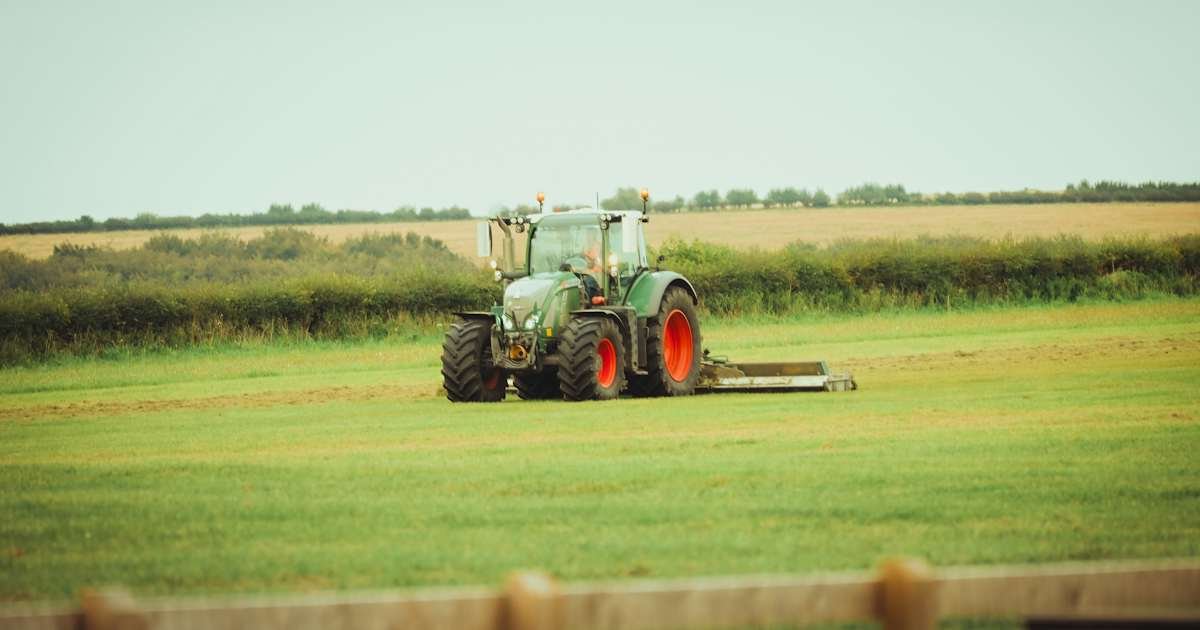
What Size Tractor Do I Need? Acreage & HP Guide

What size tractor do I need? The best answer depends less on acreage alone and more on the jobs you plan to do. A five-acre property used mainly for mowing may need a very different tractor from five acres with heavy loader work, steep ground, livestock chores, snow removal, or brush clearing.
For most US property owners, the safest way to choose is to start with workload, then match horsepower, tractor weight, hydraulic capacity, PTO needs, and attachment compatibility. Acreage is useful, but it should be treated as a starting point rather than a strict rule.
What Size Tractor Do I Need? Start With the Work
Kubota recommends assessing both acreage and applications before choosing a compact tractor. That is important because two properties of the same size can place very different demands on a machine.
Write down the jobs you expect to do most often. Common tasks include mowing, moving mulch or gravel, lifting pallets, clearing snow, maintaining a driveway, digging post holes, brush cutting, garden preparation, moving logs, and handling small hay bales.
The heaviest recurring job should influence the tractor choice more than the easiest job. A tractor that can mow your field may still be too light for safe loader work or too weak hydraulically for the attachment you want to run.
Acreage Is Useful, but It Is Not a Complete Sizing Rule
You will often see simple charts that assign a horsepower number to a certain number of acres. These can be useful for orientation, but they leave out terrain, soil, time limits, implements, and loader work.
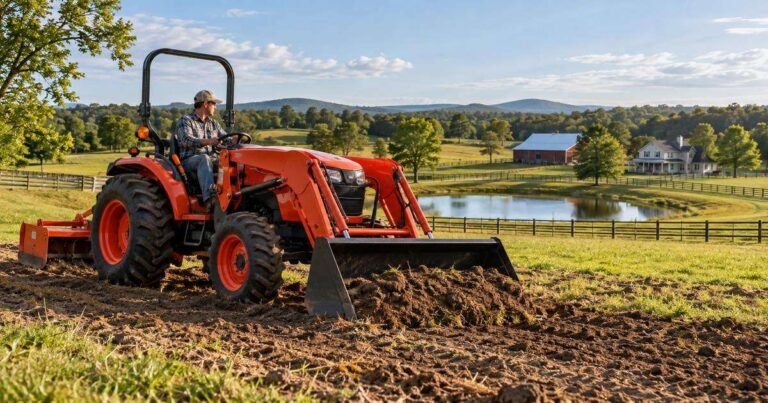
For example, a small property with steep slopes may benefit from a wider, heavier, more stable tractor than a larger flat lawn. A property owner who needs to lift gravel, move logs, and run a rotary cutter may also need more weight and hydraulic capacity than someone who mainly mows.
| Property Situation | Typical Starting Point to Research |
|---|---|
| Small lawn, garden, light material moving | Subcompact tractor |
| Several acres with mowing, loader work, driveway care | Small compact tractor |
| Heavier loader work, brush cutting, larger implements | Mid-size compact tractor |
| Regular farm work, heavier tillage, large implements | Larger compact or utility tractor |
This table is not a purchase recommendation. It simply shows how work type usually matters more than a single acreage number.
Understand Engine Horsepower and PTO Horsepower
Engine horsepower describes the engine’s overall output. PTO horsepower describes the power available at the power take-off for implements such as rotary cutters, tillers, and some other powered attachments.
PTO horsepower is especially important when an implement manufacturer lists a minimum tractor requirement. If a cutter requires a certain PTO horsepower, comparing that requirement only with the tractor’s engine horsepower can lead to a poor match.
Always check the implement manual or manufacturer specification for the required PTO power, hitch category, weight range, and hydraulic needs.
Tractor Weight Matters More Than Many Beginners Expect
A tractor’s weight affects traction, stability, and how well it can put power to the ground. More horsepower does not automatically mean better performance if the tractor is too light for the work.
Loader work is a good example. A heavier tractor with proper ballast can feel much more stable when lifting material than a lighter tractor with similar engine horsepower.
Weight can also have disadvantages. A heavier machine may compact soil more, mark lawns, require a stronger trailer, and be harder to maneuver in tight spaces. This is another reason not to choose size from horsepower alone.
Choose the Tractor Around Your Attachments
Attachments often determine whether a tractor is truly useful. Common compact-tractor attachments include front loaders, rotary cutters, box blades, rear blades, pallet forks, grapples, snow blowers, post-hole diggers, spreaders, and tillers. For a real-world example of how owners use compact machines around a property, see our compact tractor property-maintenance guide.
Kubota and John Deere both show wide attachment ranges for compact tractors, but not every implement fits every tractor. Compatibility depends on hitch size, hydraulic flow, loader carrier, PTO speed, tractor weight, and manufacturer limits.
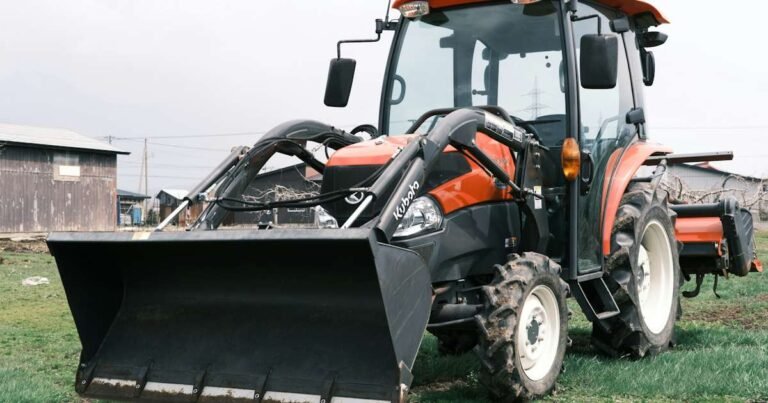
- Front loader: check lift capacity at the stated measurement point, not just the highest marketing number.
- Rotary cutter: match cutter width and PTO horsepower to the tractor.
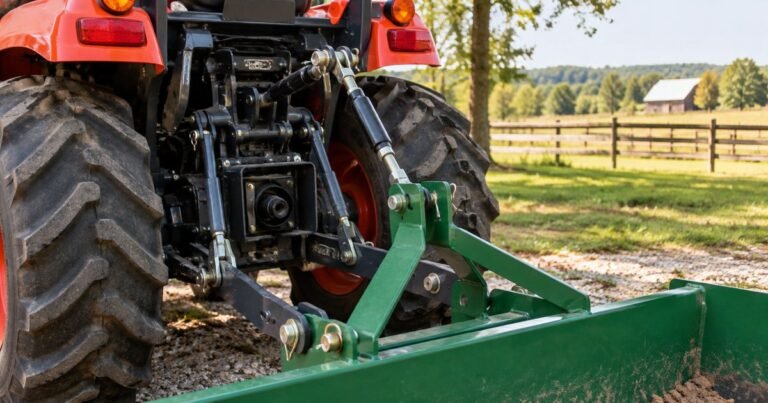
- Box blade: make sure the tractor has enough traction and weight to pull it effectively.
- Grapple: many grapples require a third-function hydraulic circuit.
- Pallet forks: account for the fork frame and load weight when checking loader capacity.
Subcompact vs Compact vs Utility Tractor
A subcompact tractor is the smallest common tractor class for property owners. It is useful for mowing, light loader work, garden tasks, and jobs where maneuverability matters.
Compact tractors are larger and generally offer more power, clearance, weight, and attachment capability. John Deere notes that compact tractors can handle heavier loads and more demanding jobs than subcompact models.
Utility tractors step up again in size and capability. They are better suited to heavier farm work, larger implements, greater loader demands, and longer hours under load.
The best class is the smallest one that can safely and comfortably handle your hardest regular jobs. Buying too small can lead to frustration, while buying far too large can increase cost and make routine work less convenient.
Think About Terrain and Traction
Flat, dry ground is easier on a tractor than hills, mud, loose soil, or snow. Four-wheel drive is common on compact tractors because it improves traction during loader work and on difficult surfaces.
Slopes deserve special caution. Tractor rollover risk is serious, and a larger or more powerful tractor is not automatically safer. Follow the operator’s manual, use the rollover protective structure and seat belt as directed, avoid unsafe slopes, and keep loads low when transporting material.
How Fast Do You Need to Finish the Work?
Time is part of tractor sizing. A small tractor may technically be able to mow or move material across a large property, but the job may take much longer.
If you maintain property only on weekends, a wider mower, larger loader bucket, or more capable tractor may save meaningful time. If you have plenty of time and tight storage space, a smaller tractor may make more sense.
Do Not Forget Storage and Transport
Measure your garage, barn door, gates, trails, and trailer before buying. A tractor that barely fits your property can become inconvenient quickly once a loader, cab, mower, or rear implement is attached.
If you plan to trailer the tractor, include the tractor, loader, implement, ballast, chains, and trailer weight when checking tow-vehicle and trailer ratings. Do not base transport planning on the bare tractor weight alone.
A Simple Tractor Sizing Checklist
- List your five most common jobs.
- Identify the heaviest regular job.
- Choose the attachments you expect to use.
- Check PTO horsepower and hydraulic requirements.
- Compare tractor weight and loader capacity.
- Consider hills, mud, snow, and ground clearance.
- Measure gates, storage areas, and trailer capacity.
- Test-drive at least two sizes if possible.
- Compare total package cost, including attachments and ballast.
When test-driving, pay attention to visibility, pedal layout, seat comfort, control placement, turning radius, loader response, and how easily you can attach or remove implements.
Where to Verify Tractor and Implement Requirements
Use manufacturer specifications and operator manuals rather than relying only on dealer descriptions or forum posts. Kubota recommends assessing acreage and applications when selecting compact equipment, while John Deere’s compact-tractor information highlights the difference in capability between subcompact and compact machines.
Sources: Kubota compact tractor guidance and John Deere compact tractor overview.
FAQs: What Size Tractor Do I Need?
Q. How much horsepower do I need for 5 acres?
A. Acreage alone is not enough to choose horsepower. Light mowing may need much less tractor than loader work, brush cutting, snow removal, or heavy ground engagement on the same five acres.
Q. Is a bigger tractor always better?
A. No. A tractor that is too large can cost more, damage lawns, require more storage, and be harder to maneuver. The goal is enough capacity for your hardest regular jobs without unnecessary size.
Q. Should I buy based on engine horsepower or PTO horsepower?
A. Check both. PTO horsepower matters for powered implements, while engine horsepower is a broader measure of tractor output.
Q. Does tractor weight matter for loader work?
A. Yes. Tractor weight and proper ballast affect stability and traction. Always stay within the loader, axle, tire, and tractor limits listed by the manufacturer.
Conclusion
If you are asking what size tractor do I need, begin with your hardest recurring tasks, not just your acreage. Match the tractor’s horsepower, weight, hydraulics, PTO output, loader capacity, and attachment compatibility to the work you actually plan to do.
Your best next step is to make a task-and-attachment list, compare two or three tractor classes, and test-drive them before buying.
Disclaimer: This article provides general educational information. Tractor sizing, stability, attachment compatibility, and safe operating limits vary by model and application. Follow the manufacturer’s specifications and operator manual, and consult a qualified dealer when necessary.