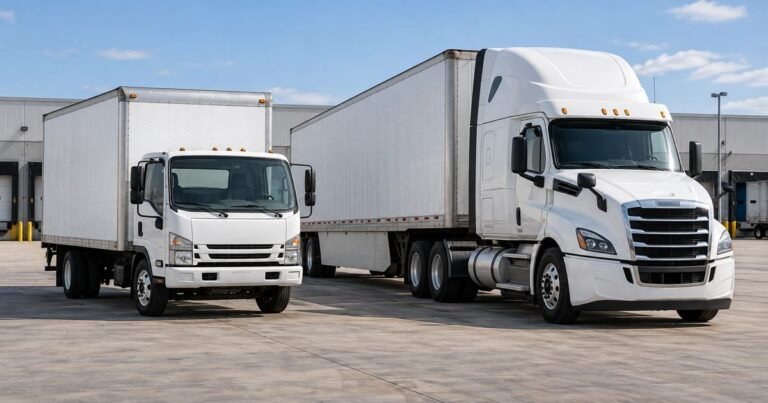
Box Truck Sizes Guide: 10, 12, 16, 20, 24 & 26 Feet

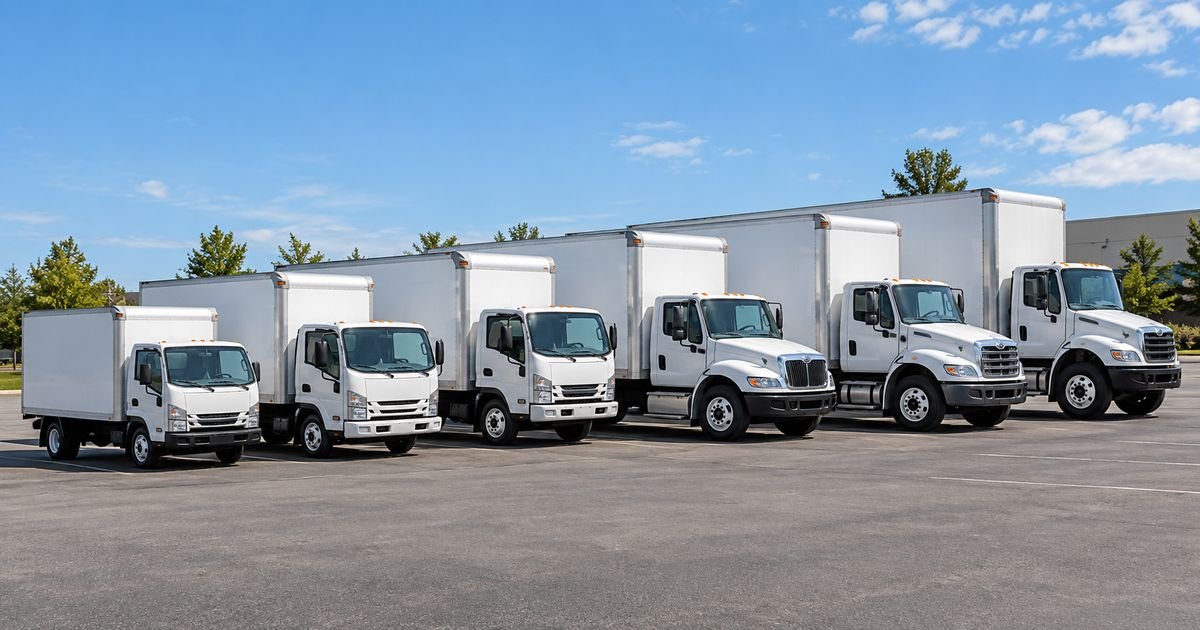
Box truck sizes commonly range from small 10- or 12-foot trucks to larger 24- and 26-foot models, but body length alone does not tell you payload, GVWR, interior volume, or CDL requirements.
The best size depends on what you carry, where you drive, parking space, loading method, and the exact chassis under the box.
Box Truck Sizes Guide
10- to 12-Foot Box Trucks
Small box trucks are popular for light moving, local deliveries, tools, event supplies, and businesses that need more cargo protection than a pickup or van.
They are easier to park and maneuver than larger trucks, but payload and interior height vary widely.
14- to 16-Foot Box Trucks
This middle range is common for small moving jobs, appliance delivery, furniture, landscaping equipment, and local service businesses.
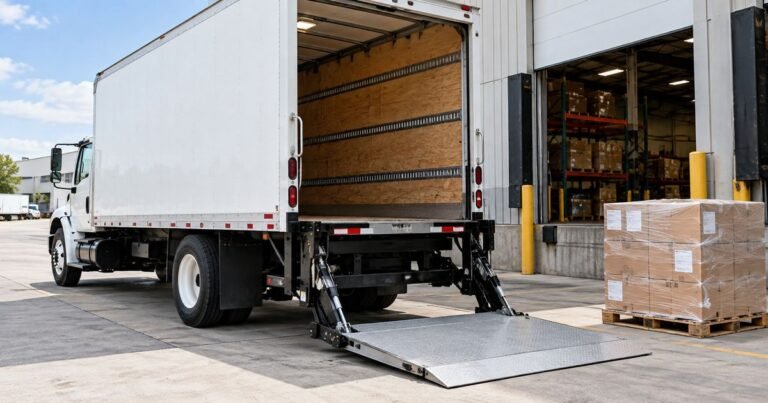
A liftgate can make these trucks much more useful, but it also adds weight and reduces available payload.
18- to 20-Foot Box Trucks
These trucks provide substantially more cargo floor and volume while still being easier to manage than the largest straight trucks.
They are common for regional delivery, moving, furniture, and business inventory transport.
24- to 26-Foot Box Trucks
Large box trucks offer significant cargo volume and are widely used for moving, freight delivery, and commercial distribution.
These trucks require more turning room, height awareness, and careful payload management. Some models meet or exceed the Class B CDL threshold, while others are configured below it.
| Body Length | Typical Use | Main Tradeoff |
|---|---|---|
| 10–12 ft | Light delivery, small moves | Limited volume |
| 14–16 ft | Furniture, appliance, local service | Moderate space |
| 18–20 ft | Regional delivery, larger moves | More parking/turning room |
| 24–26 ft | Large moving and freight | Height, weight, licensing attention |
Length Does Not Tell You Payload
Two trucks with the same body length can have very different payload capacity because chassis, engine, suspension, liftgate, body material, and axle ratings differ.
Use the exact GVWR and actual truck weight to calculate remaining capacity. See our box truck payload guide.
CDL Considerations
Body length does not determine whether a CDL is required. Federal rules focus on GVWR, combination weight, passengers, and certain hazardous-material operations.
See our box truck CDL guide before renting or buying a heavier model.
Buying Checklist
- Measure the cargo you carry most often.
- Check interior height and door opening.
- Verify GVWR and payload.
- Decide whether you need a liftgate.
- Measure parking and loading areas.
- Check vehicle height and turning radius.
- Confirm CDL and commercial requirements.
Interior Height and Door Opening Matter
A truck can have enough floor length but still be unsuitable if the rear door opening is too low or narrow for the cargo. Furniture, appliances, rolling racks, and palletized freight often fail to fit because of door dimensions rather than total box volume.
Measure the largest normal item you carry, including packaging, pallet, cart, or appliance dolly. Compare those dimensions with interior height, interior width, rear-door opening, side-door opening if equipped, and liftgate platform size.
Wheelbase and Turning Radius
Longer bodies usually require longer wheelbases, which can make U-turns, parking, alley access, and residential deliveries more difficult. A 26-foot truck may work well on highways and warehouse routes but become frustrating in dense neighborhoods.
Before buying, drive the exact size in the environment where it will work. Check how easily it backs to docks, enters fuel stations, clears curbs, and turns into customer driveways.
Payload Can Shrink as Body Size Grows
A longer cargo body adds weight. A liftgate, refrigeration unit, shelving, ramp, or auxiliary equipment adds more. That means a physically larger truck does not always provide a proportionally larger payload.
Ask for the completed truck’s actual scale weight or payload sticker where available. If you compare only cargo volume, you can end up with a truck that fits the load physically but cannot carry the weight legally or safely.
Route Type Should Influence Size
Local delivery routes with many stops favor maneuverability and easy parking. Moving companies and regional freight operators may accept a larger truck because fewer trips and more cargo capacity outweigh the parking disadvantage.
Think about the most difficult stop on your route, not just the easiest. If one apartment complex, loading dock, or narrow street creates a daily problem for a large truck, a smaller body may be the better business tool.
Fuel, Tires, and Maintenance
Larger trucks usually cost more to fuel, insure, maintain, and equip with tires. The difference may be small per day but significant across a full year.
Compare total operating cost with the number of additional trips a smaller truck would require. The right size is the one that delivers the lowest practical cost per completed route, not automatically the largest truck you can afford.
Common Box Truck Use Cases by Size
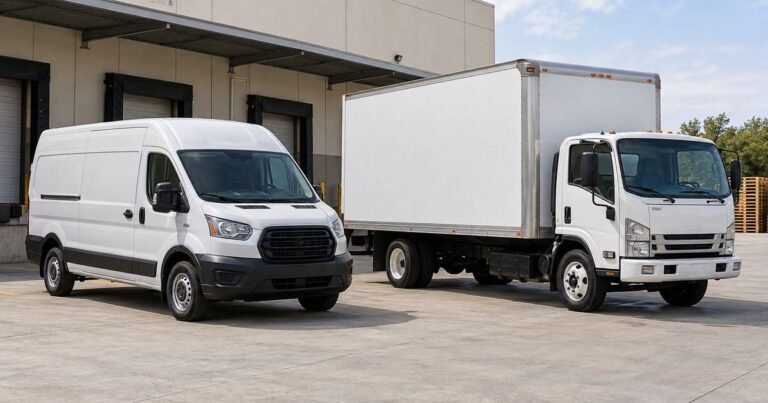
Smaller 10- to 12-foot box trucks are often used for light local deliveries, small moves, and businesses that need more enclosed space than a cargo van. They are easier to park and maneuver, but cargo volume and payload are limited.
Sixteen- and 20-foot trucks are common middle-ground choices for moving, appliance delivery, event equipment, and regional routes. Larger 24- and 26-foot trucks provide much more floor area and cubic volume, but they demand more planning for parking, turning, loading, and weight.
Liftgate or Ramp?
A ramp is simple and light, but workers must push or pull cargo up an incline. A liftgate adds weight and maintenance, yet it can make heavy appliances, carts, and pallets much easier to handle.
The best choice depends on cargo type and stop frequency. A furniture mover may prefer a long ramp, while an appliance or pallet-delivery business may benefit more from a liftgate.
Gasoline vs Diesel Box Trucks
Gasoline engines can reduce purchase price and may be easier to service in some light-duty applications. Diesel engines are common in heavier trucks and may be better suited to high annual mileage and sustained loads.
Do not choose fuel type from reputation alone. Compare expected annual mileage, local fuel prices, maintenance access, idle time, emissions equipment, and how long you plan to keep the truck.
Parking and Local Restrictions
Large box trucks may be restricted from some residential streets, overnight parking areas, garages, or loading zones. Businesses should confirm local rules before choosing a vehicle that must be parked near a home or small storefront.
Secure storage also matters. A larger truck that cannot fit in your normal yard may create monthly parking costs that should be included in the buying decision.
Rent Before You Buy
If you are unsure whether a 16-, 20-, or 26-foot body fits your route, renting a similar truck for a busy day can provide useful real-world data. Record fuel use, parking difficulty, loading time, and whether cargo space was actually used.
A short trial can prevent buying a truck that is either too small for peak days or unnecessarily large for normal operations.
Check the Exact Truck, Not Only the Advertised Length
Two trucks both described as 16-foot models can differ in wheelbase, interior height, door opening, GVWR, payload, and liftgate equipment. Compare the specification label and body dimensions on the exact vehicle before signing a rental or purchase agreement.
FAQs: Box Truck Sizes
Q. Is a 26-foot box truck always a CDL vehicle?
A. No. Check the exact GVWR and use. Length alone does not determine CDL status.
Q. Which size is easiest for beginners?
A. Smaller trucks are generally easier to maneuver, but drivers still need height, mirror, and turning awareness.
Q. Does a liftgate reduce payload?
A. Yes. Its weight becomes part of the truck’s empty weight and reduces capacity available for cargo.
Conclusion
Choose box truck size from cargo dimensions, payload, parking, loading, GVWR, and route needs rather than body length alone.
Disclaimer: Truck specifications vary by chassis and body builder. Confirm exact dimensions, ratings, and licensing requirements before operation.