Box Truck vs Cargo Van: Which Is Better for Business?

Box truck vs cargo van comes down to cargo volume, payload, loading style, route conditions, operating cost, and how often you need to park in tight spaces.
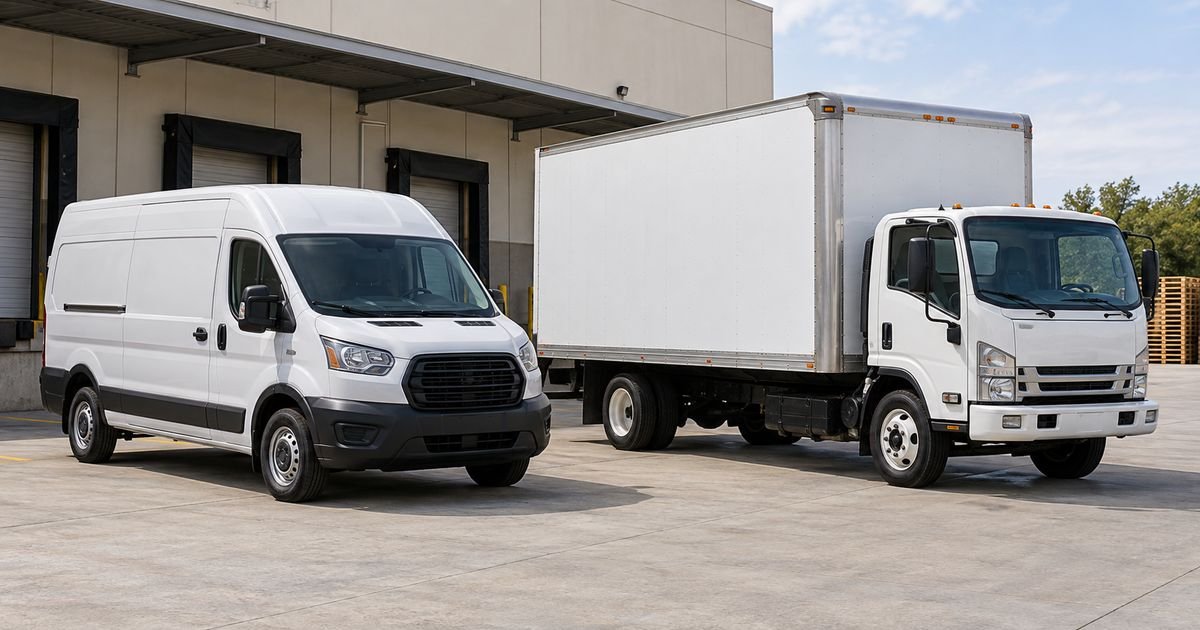
A cargo van is easier to drive and park. A box truck provides a larger rectangular cargo area and is better for bulky freight, furniture, appliances, and larger delivery routes.
Box Truck vs Cargo Van: Key Differences
| Factor | Cargo Van | Box Truck |
|---|---|---|
| Parking | Easier | Needs more space |
| Cargo volume | Lower | Higher |
| Loading height | Usually lower | Often higher |
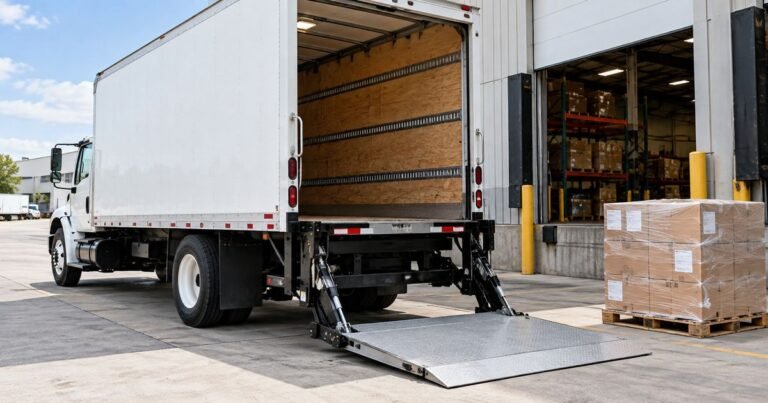
| Liftgate | Less common | Common option |
| City maneuvering | Excellent | Varies by size |
Cargo Space
A box truck’s square cargo body uses space efficiently because the walls and roof are nearly vertical. That is valuable for stacked cartons, furniture, pallets, and tall items.
Cargo vans have wheel wells and a narrower body, but they often provide enough room for tools, parcels, service equipment, and smaller deliveries.
Driving and Parking
Cargo vans generally feel more like passenger vehicles and fit normal parking spaces more easily. That is a major advantage for technicians, couriers, and urban routes.
Box trucks require more attention to height, rear overhang, turning radius, and loading-zone access.
Payload
Do not assume the larger-looking box truck always has more payload. Payload depends on GVWR and actual vehicle weight.
A heavy box body and liftgate can use a significant part of the available rating.
Loading and Unloading
Cargo vans have lower floors and are convenient when workers carry tools or parcels by hand. Box trucks may need ramps or liftgates but can handle pallets and bulky goods more efficiently.
Consider dock height, forklift access, and whether drivers work alone.
Fuel and Operating Costs
Smaller cargo vans generally use less fuel and may cost less to insure, maintain, and park. Box trucks trade higher operating cost for greater cargo capability.
Real cost depends on engine, route, idle time, annual mileage, maintenance, and purchase price.
Licensing
Most cargo vans stay below federal CDL thresholds. Box trucks span a wider weight range, so heavier models can require a Class B CDL.
Use our box truck CDL guide for weight thresholds.
Which Is Better?
- Choose a cargo van for city routes, service calls, tools, parcels, and easier parking.
- Choose a box truck for furniture, appliances, pallets, moving, and high-volume deliveries.
Which Is Better for Urban Delivery?
Cargo vans usually have an advantage in dense cities because they fit standard parking spaces, clear more parking structures, and turn more easily on narrow streets. Drivers can also enter the cargo area from the cab on many models, which helps during frequent stops.
A box truck can still be better when each stop includes furniture, appliances, pallets, or bulky freight. The extra cargo volume may reduce the number of trips even if parking takes more effort.
Security and Weather Protection
Both vehicle types protect cargo from weather better than an open pickup, but box trucks often provide a large uninterrupted cargo compartment that is easier to secure for furniture, equipment, and boxed freight.
Cargo vans may blend into urban environments more easily and can be parked in residential areas without drawing as much attention. For businesses carrying expensive tools, security hardware, partitions, locks, and alarm systems should be considered regardless of body style.
Driver Comfort and Daily Fatigue
Cargo vans often provide a more passenger-vehicle-like driving position, easier entry, and smoother ride. That can matter for drivers making dozens of stops each day.
Box trucks vary widely. Some use light-duty cutaway chassis while others use medium-duty commercial cabs. Test visibility, seat comfort, step height, mirror coverage, climate control, and cab noise before choosing a fleet vehicle.
Loading Equipment Can Decide the Winner
If your business moves heavy appliances or palletized goods, a box truck with a liftgate can reduce manual handling. Cargo vans have lower floors, but they may not accommodate a pallet jack or large liftgate.
Think about how freight enters the vehicle at every stop. A truck that carries more cargo but slows every loading event may not be as efficient as expected.
When a Cargo Van Is the Better Business Tool
Service technicians, couriers, florists, mobile repair businesses, and parcel operators often benefit from a van’s lower operating cost and easier parking.
If cargo usually fits below roof height and does not require a pallet or liftgate, the extra capacity of a box truck may be unnecessary.
When a Box Truck Is Better
Furniture, moving, appliance, event, and high-volume delivery businesses often benefit from the square cargo body and larger rear opening.
Use your largest normal route as the test. If a van regularly needs multiple trips, the box truck’s higher operating cost may be offset by better route productivity.
Cargo Organization
Cargo vans are easy to outfit with shelves, bins, partitions, and tool storage. That makes them practical for electricians, plumbers, HVAC technicians, couriers, and mobile-service businesses.
Box trucks offer a larger open rectangle that works better for bulky freight, carts, furniture, and palletized items. Interior organization can still be added, but fixed shelving reduces the flexibility that makes the large box useful.
Insurance and Registration
Insurance cost can differ by vehicle class, GVWR, cargo, operating radius, driver history, and commercial use. A heavier truck may also face different registration fees or regulatory requirements.
Get insurance quotes on the actual vehicle types before buying. A lower purchase price can be offset by higher annual operating costs.
Resale and Fleet Flexibility
Cargo vans can be easier to redeploy when business needs change because they suit service, parcel, and light-delivery work. Box trucks are more specialized but may be more valuable to moving, furniture, and appliance businesses.
If you expect rapid growth, think about whether the vehicle can handle new routes or whether you will outgrow it within a year.
Loading Height
Cargo vans generally have a lower load floor, which reduces lifting effort for hand-carried items. Box trucks sit higher, especially medium-duty models, but ramps and liftgates can compensate.
For operations with many stops, a few extra seconds of climbing or handling per stop can add up over a full day. Test the loading process, not just the driving experience.
A Practical Decision Example
A local repair company carrying tools, parts, and a ladder may be better served by a cargo van because parking and interior shelving matter most. A furniture-delivery company carrying sofas and mattresses will usually benefit from the square volume and large rear opening of a box truck.
The correct vehicle follows the cargo and route. Start with what you carry, where you park, and how many stops you make.
Try Both on a Real Route
When possible, rent or borrow each vehicle type for a normal workday. Track loading time, parking difficulty, fuel use, driver comfort, and how much unused cargo space remains. Real-route data can reveal whether the larger truck actually improves productivity enough to justify its higher operating cost.
That test is especially valuable for a small business buying its first dedicated delivery vehicle.
Choose from route data and cargo needs, not appearance or vehicle size alone.
Test both options.
FAQs: Box Truck vs Cargo Van
Q. Which has more cargo space?
A. Box trucks generally provide more usable cargo volume and taller rectangular space.
Q. Which is cheaper to operate?
A. Cargo vans are often cheaper, but actual cost depends on model, mileage, fuel, insurance, and maintenance.
Q. Which is better for delivery routes?
A. Vans work well for small frequent stops; box trucks are better when each stop includes larger or more cargo.
Conclusion
Choose a cargo van for maneuverability and lower operating burden, and choose a box truck when cargo volume, square interior space, and bulky freight matter more.
Disclaimer: Vehicle payload, licensing, insurance, and operating requirements vary. Confirm exact specifications before buying.